Imagine you’re using ChatGPT to help you diagnose a medical issue you are having, giving the model personal details regarding the ailments you are experiencing. Or perhaps you are using it to get over a traumatic moment in your life, disclosing intimate details of your psyche, past experiences, and feelings to help you cope with the intense feelings you are experiencing. Now let’s fast forward, and say you’re involved in legal trouble, could be civil or criminal, and those submissions to ChatGPT are deemed to be relevant enough to be discoverable. Meaning that a lawyer and their team are allowed to sort through those intimate details you professed to ChatGPT and use them as evidence in court to help meet the necessary legal standard to obtain a conviction or money judgement against you.
Sam Altman, the CEO of Open AI, has acknowledged these privacy shortfalls. While on a podcast with Theo Von he said “People talk about the most personal shit in their lives to ChatGPT… People use it- young people, especially, use it as a therapist, a life coach; having these relationship problems and asking ‘what should I do?’ And right now, if you talk to a therapist or a lawyer or a doctor about those problems, there’s legal privilege for it. There’s doctor-patient confidentiality, there’s legal confidentiality, whatever. But we have not figured this out for ChatGPT”.
Mr. Altman has a point, there’s a significant gap in confidentiality when it comes to AI usage. In most U.S. jurisdictions, communications between a patient and a physician for the purpose of medical diagnosis or treatment are privileged meaning they cannot be disclosed without the patient’s consent, even if they meet hearsay exceptions in some instances. The same goes for communications with a therapist, the reasoning behind the need for confidentiality is to allow a therapist’s patients to feel free to open up about their feelings in order to help with their treatment. A similar exception also exists for priest and penitent relationships, protecting communications aimed at aiding people seeking spiritual guidance. However, under the current legal milieu there is not a widely recognized carve out for submission into an Artificial intelligence model, and this omission is a cause of concern for consumers.
Realistically, not all of your conversations with an LLM model such as ChatGPT are entitled to confidentiality, after all you are inputting information into a database that is constantly monitored to improve the model, and to flag any misuse of the platform. However, that doesn’t mean some of your conversations should not be protected. It is vital that a legal framework is developed that helps guide AI developers, lawyers, and AI consumers regarding this vital impasse of privacy . The legislation would ideally address several issues such as copyright, intellectual property, consumer protection, and establishing transparency and accountability measures. But arguably the most important issue to address would be the use of confidential information regarding medical, religious, and psychological advice in court rooms.
Key Issues the AI Confidentiality Law Should Address
AI models that require inputs from users, such as ChatGPT, Claude, or Grok, should allow users to opt in to create a confidential channel of communication. Laws could be drafted to encourage AI service providers that offer conversational interfaces to provide users with a clearly marked “Confidential Communication Mode” that, when activated, triggers enhanced legal privacy protections equivalent to those afforded to traditional privileged communications. This feature must be easily accessible and explained in plain language to users.
The law should also address the need for affirmative consent to confidential mode activation through a multistep verification process that includes: (a) acknowledgment of the confidential nature of the communication, (b) understanding of the limitations and scope of protection, and (c) explicit consent to the creation of privileged communication records. Additionally, the user would have to agree that the use of the confidential mode activation would be used in good faith, in other words intended for appropriate scope of confidentiality regarding medical advice, religious confessions, and psychological therapy. Otherwise, bad actors could simply use the feature for illicit purposes not meant to be protected. The companies could expand the scope of the confidentiality mode to address other subjects, but that would not entitle communications that are not medical, religious, or psychological in nature from protection under the proposed law. However, while in confidential mode and despite not receiving the same privileged protection, users could still find value in confidential mode because the law would also address how the data is handled by the company.
For example, the law should also stipulate that communications designated as confidential must be stored in segregated, encrypted databases separate from general training data. This is similar to the Illinois Biometric Information Privacy Act (BIPA), which regulates the collection and storage of biometric data obtained from consumers The confidential communications could be used for model training in a more limited capacity for improvement. This added protection would ideally strip away all personally identifiable information to allow the models to train for improvement while maintaining user privacy. Further, like in BIPA, communications made under the proposed confidential mode must be subject to automatic deletion after a period not exceeding a year, unless the user explicitly consents to extending the retention period. Further, consumers must retain the unilateral right to delete confidential communications at any time without explanation or justification.
The scope for the AI confidentiality privileged will not be absolute. Rather it will be limited similar to any other confidentiality privilege, with exceptions only for things such as: (a) imminent threat of harm to self or others, (b) child abuse reporting requirements, and (c) court ordered disclosure following in camera judicial review demonstrating compelling need and lack of alternative sources. This requires AI companies to rigorously flag any communication that falls below the aforementioned standards.
Further, any attempt to obtain confidential AI communications through legal discovery must meet a “clear and convincing evidence” standard demonstrating that: (a) the information is essential to the legal proceeding, (b) no alternative sources exist, (c) the probative value substantially outweighs privacy concerns, and (d) less invasive means of obtaining the information have been exhausted.
This legislative framework should also require a phased implementation approach, with major AI service providers having roughly 3 years from the establishment of the law to develop and deploy confidential communication capabilities. The legislation should include provisions for regular review and updates to address evolving technology and emerging privacy concerns, which is key in an ever evolving field.
This proposed AI law may well balance the legitimate need for AI’s development while balancing users’ fundamental privacy rights, creating a framework that recognizes the unique role AI is beginning to play in personal healthcare and psychological support while establishing meaningful legal protections comparable to traditional professional relationships.
Sources:
-A Brief History of Information Privacy Law Daniel J. Solove
Copyright Office’s AI Report: The Good, The Bad, and The Controversial
The Copyright Office just dropped Part 3 of its AI report, which aimed at addressing certain copyright law in regards to Artificial Intelligence. The thing that’s got everyone talking is the fact that the report was supposed to tackle infringement issues head on, but instead teased us by saying that answer will come up in “Part 4” that is expected to be released at a later date. Let’s dive into what was actually discussed.
Legal Theory: A Case by Case Basis
The report’s central thesis is a pretty straightforward legal theory. Basically, they recommend that there will be no blanket rule on whether training AI on copyrighted content constitutes infringement or fair use. Everything gets the case by case treatment, which is both realistic and frustrating depending on where you sit. That’s because most lawyers like clear bright line rules backed up by years of precedent, but when attempting to make legal frameworks regarding emerging technologies, the brightline approach is easier said than done.
The report acknowledges that scraping content for training data is different from generating outputs, and those are different from outputs that get used commercially. Each stage implicates different exclusive rights, and each deserves separate analysis. So in essence, what’s actually useful here is the recognition that AI development involves multiple stages, each with its’ unique copyright implications.
This multi stage approach makes sense, but it also means more complexity for everyone involved. Tech companies can’t just assume that fair use covers everything they’re doing and content creators can’t assume it covers nothing. The devil is in the details.
Transformative Use Gets Complicated
The report reaffirms that various uses of copyrighted works in AI training are “likely to be transformative,” but then immediately complicates things by noting that transformative doesn’t automatically mean fair. The fairness analysis depends on what works were used, where they came from, what purpose they served, and what controls exist on outputs.
This nuanced approach is probably correct legally, but it’s also a nightmare for anyone trying to build AI systems at scale. You can’t just slap a “transformative use” label on everything and call it a day. The source of the material matters, and whether the content was pirated or legally obtained can factor into the analysis. So clearly purpose also matters since commercial use and research use will likely yield different results in the copyright realm. Control and mitigation matter in this context because developing the necessary guardrails is paramount to preventing direct copying or market substitution.
Nothing too revolutionary here, but the emphasis on these factors signals that the Copyright Office is taking a more sophisticated approach than some of the more simplistic takes we’ve seen from various opinions on this matter. This should be reassuring since a one size fits all approach at such an early stage of developing AI could stifle innovation. However if things are left to be too uncontrolled copyrighted works may face infringements to their copyright.
The Fourth Factor Controversy
Here’s where things get interesting and controversial. The report takes an expansive view of the fourth fair use factor: which is the effect on the potential market for the copyrighted work. That is because too many copyrighted works flooding the market brings fears of market dilution, lost licensing opportunities, and broader economic impacts.
The Office’s position is that the statute covers any “effect” on the potential market, which is broad interpretation. But that broad interpretation has a reason, they are worried about the “speed and scale” at which AI systems can generate content, creating what they see as a “serious risk of diluting markets” for similar works. Imagine an artist creates a new masterpiece only to get it copied by an AI model which makes the piece easily recreatble by anyone, diluting the value of the original masterpiece. These types of things are happening on the market today.
This gets particularly thorny when it comes to style. The report acknowledges that copyright doesn’t protect style per se, but then argues that AI models generating “material stylistically similar to works in their training data” could still cause market harm. That’s a fascinating tension, you can’t copyright a style but you might be able to claim market harm from AI systems that replicate it too effectively. It is going to be interesting to see how a court applies these rules in the coming future.
This interpretation could be a game-changer, and not necessarily in a good way for AI developers. If every stylistic similarity becomes a potential market harm argument, the fair use analysis becomes much more restrictive than many in the tech industry have been assuming.
The Guardrails
One of the more practical takeaways from the report is its emphasis on “guardrails” as a way to reduce infringement risk. The message is clear: if you’re building AI systems, you better have robust controls in place to prevent direct copying, attribution failures, and market substitution.
This is where the rubber meets the road for AI companies. Technical safeguards, content filtering, attribution systems, and output controls aren’t just up to the discretion of the engineers anymore they’re becoming essential elements of any defensible fair use argument.
The report doesn’t specify exactly what guardrails are sufficient, which leaves everyone guessing. But the implication is clear: the more you can show you’re taking steps to prevent harmful outputs, the stronger your fair use position becomes. So theoretically if a model has enough guardrails they may be able to mitigate their damages if the model happens to accidently output copyrighted works.
RAG Gets Attention
The report also dives into Retrieval Augmented Generation (RAG), which is significant because RAG systems work differently from traditional training approaches. Instead of baking copyrighted content into model weights, RAG systems retrieve and reference content dynamically.
This creates different copyright implications: potentially more like traditional quotation and citation than wholesale copying. But it also creates new challenges around attribution, licensing, and fair use analysis. The report doesn’t resolve these issues, but it signals that the Copyright Office is paying attention to the technical details that matter.
Licensing
The report endorses voluntary licensing and extended collective licensing as potential solutions, while rejecting compulsory licensing schemes or new legislation “for now.” This is probably the most politically palatable position, but it doesn’t solve the practical problems.
Voluntary licensing sounds great in theory, but the transaction costs are enormous when you’re dealing with millions of works from thousands of rights holders. Extended collective licensing might work for some use cases, but it requires coordination that doesn’t currently exist in most creative industries.
The “for now” qualifier is doing a lot of work here. It suggests that if voluntary solutions don’t emerge, more aggressive interventions might be on the table later.
The Real Stakes
What makes this report particularly significant isn’t just what it says, but what it signals about the broader policy direction. The Copyright Office is clearly trying to thread the needle between protecting creators and enabling innovation, but the emphasis on expansive market harm analysis tilts toward the protection side.
For AI companies, this report is a warning shot. The days of assuming that everything falls under fair use are over. The need for licensing, guardrails, and careful legal analysis is becoming unavoidable.
For content creators, it’s a mixed bag. The report takes their concerns seriously and provides some theoretical protection, but it doesn’t offer the clear-cut prohibitions that some have been seeking.
The real test will come in the courts, where these theoretical frameworks meet practical disputes. But this report will likely influence how those cases get decided, making it required reading for anyone in the AI space.
As we can see AI and copyright law is becoming only more and more complex. The simple answers that everyone wants don’t exist, and this report makes that abundantly clear. The question now is whether the industry can adapt to this new reality or whether we’re heading for a collision that nobody really wants.
President Donald Trump has officially signed into law the creation of a U.S. sovereign wealth fund. This is one of the few of his controversial executive orders that have been signed that may have a bit of merit when it comes to addressing the affordability crisis the United States is facing.
A sovereign wealth fund is a government investment fund that pools and manages a nation’s revenues, often derived from natural resources, trade surpluses, or foreign exchange reserves, to generate long term wealth and stabilize the economy. Several economic powerhouses have a wealth fund: Norway, Singapore, Saudi Arabia, and the United Arab Emirates (Dubai Fund) have used SWFs to diversify their economies, invest in global assets, and provide financial security for the youth. These funds have enabled these nations to achieve high levels of economic stability, global influence, & sustained growth, even during periods of global economic uncertainty, all while empowering their citizenry.
Trump signing the Executive Order 2/3/2023
The fund with the most long term exposure and demonstrated long term practical excellence is Singapore’s Central Provident Fund.
Singapore’s Central Provident Fund (CPF) offers a noteworthy model for the US. In the 1960s, Singapore faced significant economic challenges that necessitated comprehensive reforms. When Singapore became independent the nation faced significant economic challenges. Over 70% of households lived in overcrowded conditions, with a third residing in shanty towns on the city’s outskirts, and more than half of the population was illiterate. The situation was further exacerbated by a heavy influx of immigrants prior to Singapore’s expulsion from the Malaysian political union, leading to an unemployment rate of approximately 15-20%. (Asian Development Bank).
Fast forward 50 years, and Singapore’s transformation is remarkable. The literacy rate has soared to 97.65% as of 2021. The nation consistently ranks at the top globally in educational assessments for math, science, and reading. Unemployment has plummeted to around 2%, significantly lower than the global average of approximately 6%. Additionally, about 90.7% of Singaporeans are homeowners, a stark contrast to the United States, where the homeownership rate is at approximately 50%. This extraordinary progress can be largely attributed to the determination and hard work of Singapore’s populace, as well as the Central Provident Fund. (Asian Development Bank).
The Central Provident Fund
Singapore’s exponential growth after establishment of CPF
Prime Minister Lee Kuan Yew recognized the potential of the existing Central Provident Fund (CPF), established in 1955 during British colonial rule, as a tool to address economic challenges. The Fund was originally designed as a compulsory savings scheme for retirement, the CPF required contributions from both employers and employees. Unlike traditional social security systems funded by taxes, the CPF allowed individuals to own and control their savings, providing flexibility in how funds were utilized. This structure enabled citizens to manage their accounts while also engaging with private banking institutions.
In 1968, the government expanded the CPF’s scope to include housing, permitting withdrawals for the purchase of government flats. This policy not only addressed housing shortages but also fostered social stability and economic growth. Over time, the CPF’s functions further extended to cover healthcare and education, ensuring that citizens’ basic needs were met and allowing them to focus on personal development and community engagement. These strategic expansions of the CPF were instrumental in transforming Singapore’s economy and enhancing the well-being of its population (Asian Development Bank, n.d.).
After the CPF expanded its focus to housing, enabling citizens to use their savings to purchase government built housing units the homeownership rate is now up to 90% in Singapore. For the U.S., a sovereign wealth fund could potentially support housing initiatives, allowing Americans to leverage tax advantaged savings for home purchases, thereby fostering ownership and equity building. (International Monetary Fund).
Beyond housing, the CPF encompasses healthcare and education, allowing citizens to allocate savings toward medical insurance and lifelong learning. This approach reduces financial burdens and enhances productivity by alleviating concerns over essential services. A U.S. sovereign wealth fund could adopt similar strategies, offering dedicated accounts for healthcare and education expenses, possibly with employer matched contributions to accelerate wealth accumulation. (International Monetary Fund).
Implementing such a system in the U.S. presents significant challenges and hurdles . Political resistance to state managed savings programs and the complexities of federalism could impede adoption. Additionally, effective management is crucial to prevent issues like corruption or market volatility. Nevertheless, the potential benefits such as; reduced wealth inequality, increased productivity, and a buffer against economic downturns- are alluring. (PricewaterhouseCoopers).
While the executive order establishing a U.S. sovereign wealth fund is still in its early stages, Singapore’s CPF demonstrates that integrating state oversight with individual agency can transform citizens into stakeholders. For modern Americans burdened by housing costs, medical debt, and student loans, a similar fund could offer substantial relief and innovate on America’s financial institutions in a positive way.
Richard E. Carroll explores the potential for sovereign wealth funds at both the state and federal levels in the United States as a solution to financial challenges. At the state level, 20 U.S. states have established SWFs to manage natural resource revenues and benefit their citizens. For example the Alaska Permanent Fund, established in 1976, is the most well known, currently valued at over $5 billion. Many Alaskans get dividends from this fund, giving them expendable income for education or subsistence needs. New Mexico has done something similar, reducing the tax burden of the average citizen by about $1,000. I for one am a firm advocate for a SWF.
The Fund could be used to invest in infrastructure projects, such as roads, bridges, renewable energy, and broadband, creating jobs and stimulating economic growth. However, generally Americans are skeptical of government run programs, particularly those involving personal savings and investments. Therefore, building public trust would be essential for the fund’s success, perhaps including an opt out for citizens would be beneficial, but after their decision to opt out they should not be eligible to receive any benefits from the program- which is within their right. However, if the fund is managed properly, a steady stream of income from the SWF, the federal government could reduce income, corporate, or sales taxes, which could in theory put money back into the pockets of citizens and businesses. In essence America would be paying you for contributing positively to the American economy.
Having outlined all of that, the key question is whether the U.S. can adapt this model at the Federal level complicated by its diverse landscape. Time will tell.
On January 15th 2025, Drake filed a lawsuit against UMG Recordings, Inc., accusing the label of deliberately promoting false and harmful narratives for profit. The complaint alleges a targeted campaign of defamation that not only jeopardized his career but also his safety. This is on the back of withdrawing a petition against UMG and Kendrick Lamar he filed earlier last year in 2024.
His new case has some pretty heavy ramifications not only for the music industry but the First Amendment, since freedom of speech is usually implicated when it comes to defamation cases.
The Allegations: A Calculated Attack
The lawsuit is about the notorious and popular hit Not Like Us, by Kendrick Lamar and released by UMG in May 2024. According to the complaint, the song falsely accuses Drake of pedophilia with inflammatory lyrics like, “Say, Drake, I hear you like ‘em young,” and “Certified Lover Boy? Certified Pedophile.” The song also references violent consequences, with allusions to an “Oakland show” being Drake’s “last stop.”
The complaint describes a campaign that extended beyond the lyrics. UMG is accused of distributing promotional imagery that included aerial shots of Drake’s Toronto home, marked with icons typically associated with sex offender registries. A subsequent music video escalated the attack, showing Lamar smashing an owl piñata, a direct reference to Drake’s OVO brand. These visual elements, according to the lawsuit, were designed to reinforce the defamatory narrative and amplify its reach.
The Fallout: Defamation in the Digital Age
The lawsuit alleges that the consequences of the song’s release were immediate and severe. On May 7, 2024, just days after the track was made public, Drake’s Toronto home came under attack. Armed assailants fired shots at the property, injuring a security guard. In the days that followed, trespassers breached his property multiple times, with one individual shouting racial slurs and threats before being apprehended.
Online, the harassment was relentless. Social media platforms were flooded with accusations echoing the song’s “defamatory claims”. Flyers appeared throughout Toronto, publicly linking Drake to convicted sex offenders. The intensifying scrutiny and threats forced Drake to remove his son from school and invest heavily in additional security measures for his home and public appearances.
According to the complaint, these events were not unforeseeable but a direct consequence of UMG’s promotional efforts, which prioritized profit over the safety of its artist.
Payola and Industry Ethics
A central element of the lawsuit is the accusation that UMG engaged in payola to inflate the song’s popularity. The practice of paying for airtime and streams, while illegal under the Communications Act of 1934, continues to surface in various forms within the music industry. Drake alleges that UMG knew these claims were false but promoted the track aggressively to capitalize on its sensationalism. The label reportedly removed copyright restrictions, encouraging widespread use of the song on platforms like TikTok and YouTube. Furthermore, the complaint accuses UMG of engaging in payola, a practice of paying for artificial streams and airtime, ensuring the track gained maximum exposure.
Drake alleges that UMG used tactics such as “whitelisting” the track. Whitelisting is basically removing copyright restrictions to allow unrestricted use by influencers and content creators. Commonly uploading copyrighted material results in removal of that material, but Drake argues UMG whitelisted Not Like Us, fueling virality. The complaint also describes undisclosed financial incentives to third parties, further boosting the song’s reach. These actions, if proven, would represent a deliberate manipulation of public perception and raise significant ethical concerns about how the industry operates.
These allegation aren’t unwarranted and are probably one of the more serious allegations. In 2006, UMG Recordings, alongside other major record labels, faced significant scrutiny for its involvement in payola practices, ultimately resulting in a multi-million-dollar settlement.
The New York State Attorney General’s investigation in ’06 revealed that UMG and other labels engaged in illegal schemes to influence radio playlists, paying radio stations and DJs under the table to secure airtime for specific artists. The practices ranged from direct payments to providing lavish gifts and extravagant trips, all aimed at boosting the visibility of their songs on major radio networks. UMG agreed to a $12 million settlement without admitting wrongdoing, but the case highlighted a systemic issue within the music industry. Despite the settlement and increased regulatory oversight, allegations of similar practices have persisted.
Modern payola practices in the music industry remain pervasive, with companies like UMG adapting their methods for a digital age. The complaint expressly states, “it remains an open secret within the music industry that power players, like UMG, are continuing to engage in payola.” In November 2024, prominent DJ Funkmaster Flex publicly shared an alleged payola price list for radio airplay, revealing rates such as $350,000 for pop radio, $250,000 for urban radio, and $3,000–$5,000 for local DJs.
UMG’s payola strategies extend beyond traditional radio, leveraging modern platforms like streaming services. Allegations include offering financial incentives to streaming platforms such as Spotify by charging lower-than-usual licensing rates in exchange for boosting tracks like Kendrick Lamar’s “Not Like Us” in user recommendations. Users reported strange anomalies, such as typing unrelated searches like “Eminem” into Spotify and being prompted to stream the Recording instead. These tactics mislead users into consuming content falsely presented as organic or aligned with their tastes.
Further, UMG reportedly employed bots to inflate streaming numbers artificially, paid influencers and podcasts to promote tracks without disclosure, and even manipulated digital assistants like Apple’s Siri to misdirect users requesting unrelated songs to instead stream UMG content. Such practices mirror the old payola scandals but now operate in the shadow of technology, making them harder to detect and regulate.
Payola, while often hidden behind opaque agreements, undermines the integrity of music metrics and distorts the success of artists and songs. In this case, the alleged use of these tactics not only damaged Drake’s reputation but also placed his safety at risk.
Why File in NYC?
If UMG gets hit with a defamation case over promoting “Not Like Us,” choosing New York as the venue makes a lot of sense. The state’s federal courts are known for dealing with defamation and free speech issues, especially when it comes to public figures like Drake. New York federal court would utilize the precedent set in New York Times Co. v. Sullivan , where public figures have to prove “actual malice” – basically showing that UMG either knew the track’s claims were false or didn’t care about checking them. On top of that, the case gets messier with UMG allegedly using bots or manipulating streaming platforms to boost numbers. These tactics raise questions not only about defamation but also about unfair business practices. The court would have to dig into whether UMG acted with malice, and that discovery process is key in figuring out if they crossed the line. New York courts are pretty comfortable with balancing First Amendment rights and defamation claims, which makes them the right place for this kind of case. Ultimately, the outcome could set important rules for how entertainment companies are held accountable for both defamatory content and shady digital tricks.
If Drake filed in California, I highly doubt a judge or a jury would side with him. The people love Kendrick that much, some have joked that a motion to declare “They Not Like Us” would likely pass legal muster in that jurisdiction- joking but there’s some truth to that, I can guarantee Drake’s lawyers thought about it.
The Implications for the Music Industry
Drake’s case challenges the music industry to consider the consequences of its actions, particularly when sensationalism take precedence over truth.
It also highlights the challenges of navigating defamation law in an era where virality can spread false narratives with unprecedented speed. Artistic expression is a fundamental right, this case underscores the potential for harm when that expression crosses into the realm of false accusations and incitement.
These allegations of payola and promotional manipulation bring renewed attention to long-standing issues of transparency and fairness in the music industry. The practices described in the complaint, if substantiated, could ensure the accountability of labels in the digital age and their obligations to both their artists and the public are in question in this case.
Implications on The First Amendment
The First Amendment’s guarantee of free speech is a cornerstone of our Constitution, safeguarding the exchange of ideas and artistic expression. In the context of UMG’s dissemination of the track “Not Like Us,” which allegedly contains defamatory content targeting Drake, this constitutional protection encounters some limitations, for example speech that incites imminent violence, obscenity, or false advertising.
The First Amendment robustly defends freedom of expression, it even extends to speech that is false and defamatory (satire, jokes, paintings etc.). But private people can hold you liable for your speech if it materially causes them harm, and you acted knowingly or negligently. In this scenario, UMG’s actions like promoting a track with alleged defamatory statements- are viable claims exposing the company to potential legal liability.
Speech and accountability under the First Amendment warrants careful scrutiny. Businesses like UMG possess the right to disseminate and promote artistic works; however, this right is not absolute and must be balanced against the rights of individuals to protect their reputations from malicious falsehoods. The Supreme Court’s precedent in New York Times Co. v. Sullivan establishes that public figures, such as Drake, must demonstrate that defamatory statements were made with ‘actual malice’- that is, with knowledge of their falsity or with reckless disregard for the truth. If it is established that UMG acted with such malice in promoting “Not Like Us,” the First Amendment would not shield the company from defamation claims.
UMG’s alleged use of deceptive promotional tactics- such as financially incentivizing streaming platforms to manipulate search algorithms and employing bots to inflate streaming numbers raises concerns about the ethical boundaries of free speech in the digital age. These actions, which may mislead consumers and distort public discourse, challenge the principles of transparency and truthfulness that underpin First Amendment protections. The deliberate dissemination of false or misleading information, particularly when driven by commercial interests, underscores the necessity of delineating the limits of free speech to prevent the erosion of public trust and the unjust harm to individuals’ reputations.
A Turning Point for the Industry
This case is more than a dispute between an artist and a record label. It’s a monumental moment in the music industry, challenging its practices and ethical boundaries. Drake’s allegations compel a deeper look at how entities like UMG influence public perception and the potential consequences of prioritizing profits over accountability. Its broader impact may reshape how record labels handle controversial content and their relationships with artists. It raises the stakes for an industry that must decide whether it values integrity or is willing to sacrifice it for the sake of sensationalism and a few extra dollars.
The outcome of this case will likely reverberate far beyond Drake’s career, setting a precedent for how defamation and corporate responsibility are addressed in the music industry.
His reputation in Hip Hop will be significantly altered after filing this lawsuit. For better or for worse.
There’s been a debate raging regarding an immigration program known as the H1b visa program. The H1b program is a program used to source specialized foreign workers into jobs that require specialized skills such as tech or engineering. Two prominent individuals in the tech and political sphere spurred the debate. Republicans, Vivek Ramasway and Elon Musk, claimed the program was necessary because Americans were ‘too dumb and stupid’ to do the high level work America desperately needs to continue to be the haven of scientific research, innovation, and technical development. I suspect they thought this messaging would go down well with their MAGA base- it did not.
Instead, countless Americans from backgrounds ranging from CEOs of tech companies, common workers, and Democrats challenged Vivek & Elon’s assertions that Americans were too stupid to work in tech and high skilled labor jobs.
This inspired people to dig into the H1b visa program since a lot of the visas issued are within the public domain. What was revealed was a long list of fraud, discriminatory hiring, and deceptive practices. For example, it was found that several big companies such as Google and Apple settled multi million dollar settlements acknowledging they discriminated against American workers by undercutting them to hire cheaper foreign nationals from countries they preferred, mainly India, a country known for poor working conditions and subservient workers who do not fight labor abuses. Furthermore, it seems over 70% of H1b visas have been allocated to India at a disproportionate rate in comparison to other nations.
Here, we dissect four common misconceptions about the H1B visa, providing a clearer picture of its impact and operation.
Misconception 1: H1B is Necessary Because Americans Are Dumb
This sweeping statement is not only offensive but also a gross oversimplification of the program’s purpose. People claim the H1B visa aims to address specific skill shortages in fields like STEM, where there might be a lack of local talent or where companies need highly specialized skills. But that is not the case, the narrative of a skill shortage is often a facade for wage suppression, rather than an actual need for foreign talent due to intellectual inadequacy of Americans.
Numerous reports from the Economic Policy Institute highlight that the labor market’s dynamics are more complex, involving wage competition rather than a lack of skilled U.S. workers. The truth to the matter is that it is not about intelligence and more about under cutting American workers to hirer cheaper labor abroad. Simply put companies might find it more cost effective or convenient to employ foreign nationals rather than investing in domestic training or offering competitive wages to American workers.
American universities consistently produce graduates in STEM fields who are highly skilled, thanks to top tier education and research opportunities. Moreover, the U.S. has a rich ecosystem of tech education beyond traditional universities, including coding bootcamps, online learning platforms, and community colleges, which are turning out a steady stream of tech professionals equipped with the latest skills. The adaptability of the American workforce is a key factor; many professionals from diverse backgrounds are successfully transitioning into tech roles through reskilling and upskilling programs. The tech industry’s expansion across the U.S., not just in Silicon Valley, further supports the idea that domestic talent is abundant and capable. This diversity in tech roles, from software development to cybersecurity, means there’s a broad spectrum of jobs being filled by American workers. The issue, therefore, isn’t a shortage of American talent ready for tech jobs but rather ensuring that companies invest in this domestic workforce through competitive hiring practices, rather than automatically defaulting to hiring from abroad under the H1B visa program for cost efficiencies.
Misconception 2: H1B Gets the Best and Brightest
While the H1B visa does aim to attract highly skilled workers, the reality on the ground often differs from this ideal. Not every H1B visa holder is necessarily at the pinnacle of their profession. Research from UC Berkeley has shown that a substantial number of these workers are engaged in routine tasks rather than innovative or high level work, challenging the notion that the program solely brings in top tier talent. The Immigration Innovation Act of 2018 sought to refine this by prioritizing education and skills, but implementation has been inconsistent.
Research from UC Berkeley has shown that a substantial number of these workers are engaged in routine tasks rather than innovative or high level work, challenging the notion that the program solely brings in top tier talent. The Immigration Innovation Act of 2018 sought to refine this by prioritizing education and skills, but implementation has been inconsistent.
Further, Indian nationals and companies have been found engaging in widespread fraud, falsifying academic and work records, stealing from h1b salaries. Over the years, several high profile cases have come to light, highlighting a pattern of misuse and potential fraud. Companies like Infosys, TCS (Tata Consultancy Services), and Wipro, all Indian IT giants, have faced legal scrutiny for practices that include falsifying job roles, underpaying workers, and engaging in what’s colloquially known as the “bench and switch” scheme. This involves bringing workers into the country under the pretense of a specific job that does not exist, only to place them with another company or keep them on “bench” (unpaid or underpaid time) until a project becomes available.
One of the most significant cases involved Infosys, which in 2017 agreed to pay $34 million for allegedly misusing B1 visas instead of the more scrutinized H1B visas, thereby circumventing legal processes and wage regulations. Similarly, there have been instances where Indian consultancies were accused of submitting multiple applications for the same candidate to increase their chances in the H1B lottery, a practice that undermines the system’s integrity. This “gaming” of the lottery has been widely discussed on platforms like X, where users like @USTechWorkers have pointed out how these actions make the visa process a nightmare for genuine applicants.
Moreover, individual cases of fraud have been documented, such as the arrest of Ashish Sawhney in 2020, accused of a $21 million H1B visa fraud conspiracy by generating profits through fraudulent visa applications. Another case involved three Indian-origin men who pleaded guilty in 2024 to visa fraud, having operated a tech staffing firm that submitted fake job offers to secure H1B visas. These fraudulent activities not only exploit the visa system but also impact American workers by potentially displacing them with less expensive labor or filling positions with workers who might not meet the actual job requirements.
The broader implications include not just the legal ramifications for those involved but also a tarnished image of the H1B program, which was meant to benefit both the U.S. economy and the global talent pool.
Misconception 3: H1B Is A Fully Fair Practice with No Civil Rights Issues
There’s mounting evidence that the H1B visa could be part of a broader issue of workplace discrimination. Legal actions against companies like Cognizant, where a federal jury found discriminatory practices against non-Indian workers, illustrate this concern.
The U.S. Department of Labor and bodies like the EEOC are tasked with ensuring compliance with anti-discrimination laws, yet there are persistent allegations of preferential treatment for certain nationalities, particularly from India, in tech hiring. This raises significant civil rights questions about fairness and equality in employment opportunities.
The U.S. Department of Labor and the EEOC are tasked with ensuring compliance with anti-discrimination laws, yet there are persistent allegations and court dececiosn proving that preferential treatment for certain
nationalities, particularly from India, in tech hiring exists. This raises significant civil rights questions about fairness and equality in employment opportunities. The misuse of the H1B visa for cost-cutting rather than talent acquisition could lead to systemic discrimination against U.S. workers or workers from other nations, potentially violating civil rights by creating a workforce that does not reflect the diversity or merit of the broader talent pool.
Misconception 4: Indians Are Just Good at IT, Hence More H1B Visas
The dominance of Indian nationals in receiving H1B visas in the tech sector isn’t solely due to their aptitude in IT. Instead, it might reflect discriminatory practices by some firms. Indian IT consultancies have been accused of bias towards hiring from their own country, not just for cultural fit but also to leverage lower labor costs. This practice has led to lawsuits, with companies like Infosys and Wipro facing legal scrutiny for potentially discriminatory hiring practices.
While India has shown growth in its IT sector, its overall ranking in the World Competitiveness Yearbook by the Institute for Management Development (IMD) for IT infrastructure and digital competitiveness has not always placed India at the top. For instance, in the 2022 rankings, India was at 37th place, indicating it lags behind several countries in terms of overall IT competitiveness. Reports from companies like NASSCOM have pointed out that only a fraction of engineering graduates are employable in industries needing high-level IT skills.
Despite India’s significant strides in adopting and developing technologies such as machine learning, and blockchain, there’s a stark contrast in the skill readiness of its engineering workforce. Specifically, a report from TeamLease digital, an Indian research firm, indicates that only 2.5% of Indian engineers possess AI skills, and a mere 5.5% have basic programming capabilities. This statistic is alarming considering the technological ambitions of the nation and the USA’s receipt of their technical workers. The implications of this skills gap are profound. For India to maintain its competitive edge in the global tech landscape, it must not only invest in technology but also ensure that its workforce is equipped to leverage these advancements. For the USA we under utlizie the h1b program and undercut Americans who can actually do the job.
Big Tech and H1B Visas: A Closer Look
The involvement of big tech companies in H1B visa hiring practices adds another layer to this discussion. These tech giants are significant employers of H1B workers, with a notable number from India. Allegations of discriminatory hiring practices have surfaced, with lawsuits against companies like Google and Amazon for allegedly favoring foreign nationals, particularly from India, over U.S. workers. These companies have faced criticism for potentially sidelining American talent in favor of visa holders, which could be seen as an economic strategy to reduce labor costs. Despite diversity initiatives, the high reliance on
For example, Google, settled a lawsuit with the U.S. Department of Labor in 2018 for $11 million, accused of favoring H1B visa holders over American workers, indicating a systemic bias in hiring that might prioritize cost over local talent. Similarly, Amazon has faced allegations suggesting a preference for foreign workers through the H1B program, potentially at lower wages, though specific legal outcomes or settlements directly tied to these practices are less publicly documented. While not directly connected to H1B issues, Meta (formerly Facebook) has also been embroiled in allegations of broader discriminatory employment practices, which could indirectly influence perceptions of its visa hiring strategies.
The H1B visa program is not without its merits, offering a pathway for global talent to contribute to American innovation. Further Indian nationals have worked hard and contributed to the American economy in tremendous ways. However, it’s crucial to dispel myths with facts, understand the nuances of discrimination claims, and ensure that the program benefits both the economy and all workers fairly. The ongoing discussions and legal battles are essential in shaping a visa system that truly reflects the values of merit, diversity, and justice.
Overall one thing is certain: H1b reform is necessary if America wants to continue to prosper in the future.
Sources
Economic Policy Institute Reports on Labor Market Dynamics
Economic Policy Institute. “H-1B Visa Program: Frequently Asked Questions.” epi.org.
UC Berkeley Research on H-1B Visa
Mithas, Sunil, et al. “Skill Requirements in the H-1B Visa Program: Evidence from Job Postings.” UC Berkeley Research Papers, berkeley.edu.
Infosys Legal Case
U.S. Department of Justice. “Infosys Agrees to Pay $34 Million to Settle Allegations of Visa Fraud and Abuse.” DOJ Press Release, 2017. justice.gov.
Tata Consultancy Services (TCS) and Discrimination Allegations
Gupta, P. “Discrimination Allegations Against TCS.” Legal News, law360.com.
Cognizant Discrimination Case
U.S. Equal Employment Opportunity Commission. “Cognizant Discrimination Verdict.” EEOC Case Files, eeoc.gov.
Infosys and Other Companies’ Practices
National Association of Software and Service Companies (NASSCOM). “IT Practices and Worker Dynamics.” NASSCOM Reports, nasscom.in.
Bench and Switch Schemes
Choudhury, Prithwiraj. “Gaming the H-1B Visa Lottery.” Research Papers, Harvard Business School. hbs.edu.
TeamLease Digital Report on Indian Engineers
TeamLease Digital. “State of India’s Engineering Talent: AI and Programming Readiness.” TeamLease Research, teamlease.com.
World Competitiveness Yearbook Rankings
Institute for Management Development. “World Competitiveness Yearbook: IT Infrastructure Rankings.” imd.org.
Google Discrimination Settlement
U.S. Department of Labor. “Google Settles Allegations of Discrimination with $11 Million Fine.” DOL Press Release, 2018. dol.gov.
Lev-Ram, Michal. “Facebook Pays $14 Million to Settle Discrimination Allegations.” Fortune, 2021. fortune.com.
Fraud Cases Involving H-1B Visa Holders
U.S. Immigration and Customs Enforcement. “Ashish Sawhney Arrested for H-1B Visa Fraud.” ICE Press Release, 2020. ice.gov.
U.S. Tech Workers Advocacy
U.S. Tech Workers. “Investigations Into H-1B Fraud and Discrimination.” ustechworkers.com.
Immigration Innovation Act of 2018
U.S. Congress. “Immigration Innovation Act (I-Squared).” Congressional Research Service Reports. congress.gov.
Reports on Wage Competition and Visa Abuse
Hira, Ron. “The H-1B Program: Changes Needed to Better Protect U.S. and Foreign Workers.” Testimony Before the Senate Judiciary Committee, 2019. judiciary.senate.gov.
National Foundation for American Policy
Anderson, Stuart. “H-1B Visas and America’s Global Competitiveness.” NFAP Policy Briefs. nfap.com.
NASSCOM Reports on Employability
National Association of Software and Service Companies. “Analysis of STEM Education and Employability.” nasscom.in.
“It takes violent shocks to change an entire nations psychology.”
– John F. Kennedy
This quote written in John F. Kennedy’s Magnum Opus ‘Why England Slept’ encapsulates the current collective psychology of the United States after the tragic assassination of Brian Thompson. Some people celebrated the CEO’s death, a symbol of the frustration many Americans have been feeling regarding the nation’s healthcare system. Critiques of the healthcare system are definitely warranted, and Luigi Manginoni’s tragic act has once again put the nations healthcare debate at the forefront a public discourse.
President Kennedy’s quote is correct, often violent acts can change an entire nations collective psychology, there are plenty of examples in history that agree with that proposition. However, people are wrong assuming that the assassination will trigger meaningful change due to the fear healthcare insurance executives may feel after the assassination of Brian Thompson. People’s idealism can cloud the reality on how institutions operate in the real world. History has proven powerful players rarely relinquish control freely. The healthcare industry could hypothetically double down and refuse to budge, further entrenching an “us vs. them” mentality that pervades many contemporary national debates. Though, admittedly, the act could hypothetically result in meaningful change in the healthcare industry- but not in the way people celebrating the death would imagine. A good case study as to why that is the case would be the Ludlow Massacre.
On April 20, 1914, in Ludlow, Colorado, striking coal miners demanded better pay, safer working conditions, and the right to unionize ( more info on Ludlow here). The strikers were attacked by the Colorado National Guard and company-hired guards, killing the protestors and some of their family members. The Ludlow Massacre lead to the Colorado Coalfield War, where workers formed a militia and started attacking Colorado National Guardsmen and private law enforcement . The workers successfully attacked many of their oppositions positions and had a lower casualty count but when the dust settled the strikers’ demands were not met, the union did not obtain recognition and many striking workers were replaced. Further 408 strikers were arrested, 332 of them were indicted for murder. The institution decided to double down on the crackdowns resulting in none of the strikers work demands being met.
Though the workers themselves did not reach their goals, the tragedy of Ludlow spurred a greater national debate on workers rights in the United States. Slowly the grievances raised by the Ludlow massacre lead to the enactment of federal labor laws that we still use today. American society should turn this tragedy into a positive and reinvigorate the discussion and action that will lead to fundamental changes in the healthcare industry. The Ludlow Massacre forced the nation to confront workers’ rights, and similarly the tragic assassination of Brian Thompson could prompt similar discussions about the systemic failures in healthcare. However, history shows that institutional change is slow and often requires sustained public pressure. Hopefully, this time around the change will come sooner, if not there are indications that matters may get worse rather than better. Analyzing the economic incentives causing this turmoil will illuminate the problem areas in the sector and hopefully lead to some practical solutions.
Economic Moral Hazards
The problem with the healthcare sector is that it produces bad economic incentives. 1 Often healthy economic incentives encourage behavior that benefits both individuals and society, they are aimed at promoting positive economic action while discouraging negative consequence such as waste or harm. For example good economic incentives would be efficiency standards for cars, they incentivize manufacturers to produce efficient automobiles by offering various government benefits. For example, car companies may get tax breaks, recognition for meeting higher energy efficiency standards, or might get access to lucrative government contracts. This makes energy utilization effective, lowers bills for consumers, and helps reduce environmental impacts by using wasteful technology.
The healthcare industry seems to be running in the opposite direction regarding incentives. Large hospitals commonly increase prices for services and lab technology, knowing that insurers and government programs will foot the bill one way or the other. 2 A big reason hospitals can do this is due to lack of competition within the sector. 3 On average Americans have access to only a few healthcare providers, which incentives monopolistic practices such as price gouging. 4 These practices shift the financial burden onto patients, insurers, and taxpayers, exacerbating the system’s inefficiencies. Insurance companies also contribute to producing bad economic incentives but in a different way.
Source: American Enterprise Institute
Health care Insurers also contribute to overall inflated healthcare prices. That’s because insurance companies have few incentives to negotiate for better rates or challenge the high prices set by hospitals. They are well aware that they can pass those costs onto consumers in the form of higher premiums or deductibles in order to fulfill their fiduciary duty to their shareholders. 5 By passing those costs on to their consumers they ensure their shareholders are maximizing profits effectively fulfilling their duty. This leads to a disconnect between the price of healthcare and the actual cost to consumers leading to the inflated cost of healthcare of the healthcare system.
Additionally, some companies during economic downturns might only focus on the volume of services provided, rather than the quality or necessity of those services. This may encourage doctors to prescribe unnecessary treatments overuse of healthcare and can result in unnecessary tests or procedures, which drive up the overall healthcare costs. If you are fully covered getting extensive tests is beneficial for your health but unnecessary care drives up the price for people who do not have adequate coverage. That is because higher utilization of healthcare services- necessary or not artificially inflates demand, which providers often use to justify price increases. Most insurance companies operate within fee-for-service payment systems, where providers are reimbursed based on the volume of services delivered rather than the value or outcomes. This further incentivizes unnecessary treatments, tests, and procedures, as healthcare providers have a financial interest in maximizing billable services
Further, the administrative complexity of health insurance also adds significant costs to the healthcare system. Insurers maintain vast bureaucracies to process claims, determine coverage, and manage provider networks, which requires substantial resources. Anecdotally, after spending some time in the insurance sector, a lot of the administrative tasks incentivize an incredible amount of waste. These costs are ultimately passed on to consumers. For example, administrative expenses in the U.S. healthcare system account for nearly 8% of total spending, compared to 2-3% in countries with simpler, more centralized systems. 6
Action is Necessary
The tragic events surrounding Brian Thompson’s assassination have understandably stirred intense emotions and reignited a national conversation about the flaws in our healthcare system. While these tragedies can bring the issue to the forefront, history shows us that meaningful change doesn’t come from fleeting moments of outrage. The shockwaves from Thompson’s death can grab attention temporarily, but true change only happens when we confront the deeper economic incentives that drive the inefficiencies and inequalities in healthcare.
Reform, as we’ve seen in the past, is rarely quick or easy. It faces resistance from entrenched interests that benefit from the status quo. But the time to act is now. The monopolistic pricing, the disconnect between what healthcare actually costs and what patients pay, and the lack of meaningful negotiation from insurers- all of these must be tackled with urgency. It’s time to rethink the economic incentives behind the healthcare system and shift the focus toward transparency, competition, and patient-centered care. The current model is unsustainable, and the responsibility for change lies with all of us; policymakers, healthcare providers, insurers, and the public.
Let us use this tragedy not as a fleeting moment of anger but as a rallying point to demand systemic reform. By ensuring that economic incentives align with the well-being of patients and the long-term sustainability of the system, we can move toward a healthcare system that serves the needs of every American, not just the powerful few. Now is the time for thoughtful, deliberate action to reform the healthcare system in a way that reflects the values of justice, fairness, and efficiency for all.
“The time to repair the roof is when the sun is shining.”
-John F. Kennedy
Right now, I’m sad to say, it seems like we’re attempting to repair a roof in the middle of a tornado. Urgent action is needed.
Sources
According to the Journal of the American Medical Association (JAMA), the U.S. healthcare system is plagued by administrative inefficiencies, price inflation, and overuse of medical services, which are driven by poorly aligned incentives among providers, insurers, and payers.
Source: JAMA. “Waste in the US Health Care System: Estimated Costs and Potential for Savings.” (2019). ↩︎
Research from the RAND Corporation indicates that hospitals charge private insurers an average of 247% of Medicare rates for the same services. This price disparity exists because private insurers lack the bargaining power to negotiate rates effectively, and hospitals rely on these inflated payments to subsidize their operations.
Source: RAND Corporation. “Prices Paid to Hospitals by Private Health Plans Are High Relative to Medicare and Vary Widely.” (2020).. ↩︎
Research shows that hospital consolidation reduces competition and leads to higher prices. A study by the National Bureau of Economic Research (NBER) found that hospital mergers result in price increases of 6% to 18%, depending on the level of market concentration.
Source: NBER. “The Price Effects of Cross-Market Hospital Mergers.” (2018). The Health Care Cost Institute (HCCI) reports that the average price for hospital services is significantly higher in concentrated markets than in competitive ones.
The American Medical Association (AMA) found that in 2019, 90% of metropolitan areas in the U.S. were highly concentrated for hospital markets, meaning patients had limited choices among providers. This is also the case in more rural areas as well.
Source: AMA. “Competition in Health Insurance: A Comprehensive Study of U.S. Markets.” (2019). ↩︎
Premiums and deductibles for employer-sponsored health insurance have been steadily rising, with average family premiums increasing by 55% over the past decade. Insurers often attribute this to rising healthcare costs from hospitals and providers.
Source: KFF. “2022 Employer Health Benefits Survey.” ↩︎
The Study highlights the disproportionately high administrative costs in the U.S. healthcare system compared to other high-income nations with centralized systems, where administrative spending ranges between 2-3% of total healthcare expenditures
Source: Woolhandler, S., & Himmelstein, D. U. “Administrative Work Consumes One-Quarter of U.S. Physicians’ Working Hours and Lowers Their Career Satisfaction.” Health Affairs, 2014. ↩︎
Iowa, the heartland of America, often called the bread basket of the world due to the amount of food they export internationally. In Iowa the fields stretch endlessly and communities thrive on their hard work. Iowa’s residents are proud of their work ethic. Despite the beautiful green pastures and salt of the Earth people, an insidious problem lurks beneath the surface: wage theft.
Iowa, is renowned for its agricultural prowess and strong work ethic, but that does not mean Iowans are immune to wage theft from employers, this is in spite of the State’s robust economy and reputation for fairness. Unfortunately, countless workers fall victim to wage theft each year, their rightful earnings siphoned away by unscrupulous employers. A new report from Common Good Iowa finds that employers are stealing over $900 million a year from an estimated 300,000 Iowa workers — about 1 in 7 workers and their families.
Wage theft encompasses a variety of illicit practices, including unpaid overtime, minimum wage violations, illegal deductions, and outright non-payment for hours worked. The effects are felt by various workers from various industries. From farm laborers to restaurant staff, construction workers to healthcare professionals the problem seems to be systemic. In 2021 Tyler Technologies, a software company, settled claims for $3 million for not paying overtime wages to its employees in Iowa. The lawsuit was filed by a group of employees who alleged they were not properly compensated for overtime work. Roughly a year later, an employee at Short’s Burger & Shine in Iowa City realized she hadn’t been paid overtime for over 13 years. With the help of the Center for Worker Justice of Eastern Iowa, she was able to recover her the wages she was owed. However, recovering wages is not a guaranteed remedy. On average over 600 unpaid wage claims are filed with Iowa Workforce Development, and only a fraction of wages were recovered. Often, those most vulnerable to exploitation are immigrants, low-wage workers, and individuals with limited English proficiency, who may lack awareness of their rights or fear retaliation for speaking out. This is extremely alarming considering Iowa’s recent uptick in immigration.
Recently, Western Iowa Tech Community College’s settled for $3 million in a federal lawsuit filed by 13 Chilean students who accused the school of deceiving them about an internship program. The students compared the program to forced labor and human trafficking, claiming they were compelled to work up to 50 hours weekly, leaving minimal time for attending classes, studying, or resting. The students were promised to be enrolled in a 2 year culinary program, when in reality they worked 50 hours a week in meat packing factories. A far cry from the culinary arts. This is just one of the cases that was caught by the system due to the savviness of some of the international students. However, there are plenty of similar cases that fly low below the radar of any authorities or news outlets.
In Iowa, the consequences of wage theft ripple through communities, undermining economic stability and perpetuating cycles of poverty. When workers are denied their rightful pay, they struggle to make ends meet, facing difficulties in paying rent, buying groceries, and providing for their families. This not only harms individuals but has ramifications on the local economy, since decreased purchasing power leads to reduced consumer spending and stunted economic growth for the community as a whole.
On paper, Iowa has a robust labor law system. But despite existing labor laws designed to protect workers, enforcement mechanisms in Iowa remain inadequate, leaving many victims without recourse. The State’s Department of Labor, charged with investigating wage theft claims, is understaffed and underfunded, unable to keep pace with the scale of the problem. Further, Iowa’s Courts do not do a good job in upholding labor rights, where a majority of cases are decided on behalf of employers and corporations rather than an employee. Realistically the case split should be relatively even given the nature of labor cases. A 2012 study by the Iowa Policy Project estimated that dishonest employers defraud Iowa workers out of about $600 million annually in wages. This figure reflects the scale of wage theft before the recent escalation to $900 million. Further, Courts often tip toeing around issues in fear of reversal from a higher court. Additionally, the complexity of the legal processes and fear of employer retaliation often deter workers from pursuing complaints, further perpetuating a culture of impunity.
To combat wage theft effectively, a multi-faceted approach is necessary, addressing both systemic flaws and individual grievances. Firstly, enhancing enforcement efforts through increased funding and staffing is essential to ensure that perpetrators are held accountable for their actions. This includes proactive investigations, targeted audits, and swift penalties for violators. These actions are paramount since too often than not Iowa’s executive branches refuse to exercise their ability to impose penalties. Additionally, empowering workers with knowledge of their rights and avenues for redress is crucial, through outreach programs, legal assistance, and community organizing. Community organizing would do have a great deal of benefit since workers would be aware of their rights and have a strong support system to help enforce their rights when they are infringed. This includes partnerships between government agencies, advocacy groups, employers, and workers themselves to identify systemic issues, share best practices, and develop innovative strategies for prevention and enforcement. By harnessing the collective expertise and resources of diverse stakeholders, Iowa can forge a unified front against wage theft, ensuring that every worker is treated with dignity and respect.
Fostering a culture of compliance among employers is paramount, emphasizing the importance of fair labor practices and ethical conduct. This entails providing resources and incentives for businesses to uphold labor standards, such as certification programs, tax incentives, and public recognition for compliance. By incentivizing good behavior and penalizing violations, Iowa can create a more level playing field where honest businesses thrive and exploitative practices are marginalized.
Beyond regulatory measures, fostering collaboration between stakeholders is vital to address the root causes of wage theft and promote sustainable solutions. This includes partnerships between government agencies, advocacy groups, employers, and workers themselves to identify systemic issues, share best practices, and develop innovative strategies for prevention and enforcement. By harnessing the collective expertise and resources of diverse stakeholders, Iowa can forge a unified front against wage theft, ensuring that every worker is treated with dignity and respect. Recognizing the intersectionality of wage theft with other social issues is essential to achieve meaningful change. Problems like wage theft require a multifaceted, especially when the issue disproportionately impacts marginalized communities. Efforts to combat wage theft must also address underlying disparities related to socioeconomic background, race, gender, and immigration status, By adopting an intersectional approach that centers the experiences of the most vulnerable, Iowa can advance equity and justice for all its residents.
From farms to factories, Main Street to the Capitol, the time has come to shine a light on the shadows where exploitation thrives, and to reclaim the promise of fair treatment and economic opportunity for every worker. Meaning Iowa must confront wage theft head-on, the state has the opportunity to continue to uphold its values of integrity and fairness, ensuring that the heartland remains a place where hard work is rewarded and justice prevails. Or else Iowa risks being seen as a state that only exploits the workers that have built it up through generations.
Sources:
_____________________________________________
Common Good Iowa Report Common Good Iowa. “Wage Theft in Iowa: An Analysis of Underpayment and Nonpayment of Wages,” 2024.
Tyler Technologies Overtime Pay Dispute U.S. Department of Labor. “Tyler Technologies Settles Overtime Claims for $3 Million in Iowa,” 2021.
Short’s Burger & Shine Case Center for Worker Justice of Eastern Iowa. “Employee Recovers 13 Years of Unpaid Overtime from Short’s Burger & Shine,” 2022.
Iowa Workforce Development Claims Iowa Workforce Development. “Annual Report on Wage Claims and Recovery,” 2023.
Going into the 21st century Germany has rapidly developed its renewable energy sector. A large reason for that growth are feed-in tariff policies. In contrast, the United States has not developed their renewable energy sector at the same rate or fashion as their European counter parts. This blog will aim to investigate why the US hasn’t developed their renewable energy policies, a large part owing to the relative lackluster feed in tariff programs.
In general feed-in tariffs (FiTs) are performance-based incentive (1) supporting renewable energy generation (2) guaranteeing payments to a producer for total kWh produced, (3) access to the grid and (4) a long-term contract, and/or similar additional terms. The origins of FiT programs can be found investigating the U.S. and Germany.
The US Energy Crisis & PURPA
The U.S. is where the first form FiT programs were implemented. During the late 1970’s, the US was facing an energy crisis stemming from various factors, both domestic and international . The Carter administration and Congress were tasked with implementing policies which mitigated the economic effects stemming from the energy crisis. The U.S. desperately needed to diversify its energy portfolio to mitigate both real and potential economic losses. The National Energy Act (NEA) was subsequently passed as legislation in response to the growing issue. The stated purpose of the NEA was to encourage energy conservation and efficiency. It also aimed to develop new energy resources which included renewable sources such as wind and solar power. The NEA contained five acts, one of which was called the Public Utility Regulatory Policies Act (PURPA) which was where the first form of FiT programs began to develop.
PURPA requires electric utilities to make purchases of electric energy from co-generation facilities and small power production facilities that are at 80 MW or less in size at a rate that does not exceed the incremental cost to the electric utility of alternative electric energy ( see Public Power, 2020, p. 1-2) This requirement is commonly referred to as the avoided cost. Due to federalist principals underpinning American jurisprudence, the Federal Energy Regulatory Commission (FERC) and the individual states are the ones that are responsible for implementing PURPA. FERC primarily determines what constitutes a qualifying facility and provides guidance on avoided costs. Avoided costs are meant to mirror the cost a utility would incur to facilitate that same electrical generation (see Public Power, 2020, p. 2-3)
As disputes filtered through the US legal system various interpretations of PURPA began to take shape. Some of the utilities and state utility commissions construed avoided costs narrowly. They believed avoided cost only included avoided fuel costs. Other utilities and state commissions chose a broader interpretation for “avoided costs” as the “avoided long-run marginal cost” of generation. Another provision included PURPA was that utilities were prevented from owning more than 50% of projects, to encourage new market entrants. Over time states began to offer contracts (known as Standard offer Contracts) to producers. These contracts used fixed prices based on the expected long-run cost of generation. (Graves, Hanser,& Basheda 2- 13). The long-run estimates of electricity costs were based on the widely held assumption that gas and oil prices would continue to increase .Id. This led to an escalating schedule of fixed purchase prices, designed to reflect the long-run avoided costs of new electrical generation. (Louise Guey-Lee, 1999, p 92-96).The adoption and implementation of PURPA lead to ample amount of renewable energy generation in certain states. Furthermore, by the mid 1990’s power producers installed roughly 1,800 MW of wind Capacity in California. Some of those systems are still being used and serviced to this day. The Standard Offer contracts can be called the first form of FiTs since producers were compensated for (1) KwH produced, (2) given access to the grid, (3) incentivized the development of renewable energy sources and (4) the contracts were long term.
Overtime, gas and oil prices went down and the energy crisis subsided. This made the PURPA Standard Offer contracts that encouraged renewable development a lot less attractive since oil and gas could now be purchased a lot cheaper. That meant there was little incentive to generate renewable energy sources because the oil and gas market recovered back to their favorable prices. Further, large utilities felt threatened when it came to their market share. That is because PURPA was partly implemented to encourage non-utility generation, which could threaten a monopolistic utility’s market share. Further, some industrial suppliers began to build inefficient generators which though met PURPA’s regulatory requirements, lead to market and ecological inefficiencies. These factors likely contributed to the steady decline of these kind of PURPA contracts that encouraged renewable generation. Though the US’s first form of a FiT program was declining into the 20th century, in another part of the world the most robust feed in tariff policy began to sow its seeds.
Stromeinspeisungsgesetz: Germany’s Feed-in Tariff
Germany is where the first comprehensive FiT program developed. In the early 1990s, a piece of energy legislation spearheaded by Matthias Engelsberger would pass through the German Bundestag to become federal law. That piece of legislation was called the Stromeinspeisegesetz (“StrEG”) (translated from German ‘electricity feed-in law’). This is the first piece of legislation that explicitly calls itself a feed-in tariff law.
StrEG was the first time the world would be introduced to a systemic feed-in tariff program that would operate in the free market. The program mandated that network operators purchase electricity produced by renewables, as long as a large utility did not produce the energy. (Allen & Davies,2014, pg 937-938). And it established incentive prices that had to be paid for those purchases (Id). These innovations were key to StrEG’s success. That’s because the mandatory purchase requirement eased the process for German renewable generators to bring their product to market. For example the law stipulated that:
“Generators were not required to negotiate contracts or otherwise engage in much bureaucratic activity”.(Lauber & Mez,, 2004, pg. 3)
This meant that StrEG removed an important barrier to entry because it was StrEG that imposed the mandate to connect and purchase electricity. This stipulation meant that the process for energy generators was significantly simplified. Had that stipulation not existed monopolistic utilities would have likely resisted efforts by new entrants to connect with their networks. (Allen & Davies,2014, pg 937-938). The graph below shows the market share of wind turbine manufactures in Germany during 1998(top) and US market share in 2015 (bottom). Germany had about the same amount of manufactures the US has now:
Going into the 21st century, the German Bundestag decided to restructure the policies found in the StrEG. In the 2000s they reinforced their FiT policy by passing the ‘Eneuerbare-Energien-Gesetz (EEG) which in English translates to ‘Renewable Energy Sources Act’. The EEG added three new initiatives to StrEGs. First, the EEG adopted the Aachen model and decoupled feed-in rates from retail electric prices. (Gipe 2007). The Aachen Model takes its name from a city in Western Germany. That city implemented one of the best policies during the StrEG era, instead of paying renewables producers a percentage of retail rates, Aachen established a solar FiT based on the technology’s cost, plus an adder to cover a modest investor profit. (Gipe, 2007). German policy makers saw this as an innovate measure because previous support mechanism tended not to reflect the price of the technology itself but rather external factors such as retail electric prices or conventional generation prices (Allen & Davies, 2014, pg 943). Second, the EEG had fixed periods of time that the feed-in rates would be paid which was usually twenty years (Id). This was a major change since previously under the StrEG, the duration of tariff payments was not specified. Finally, the EEG created a stronger investment incentive for renewables by prioritizing electricity produced from these resources over others. (Id). Therefore, German FiT had these four fundamental characteristics (1) the mandatory purchase of renewable electricity by grid operators, (2) at cost-based tariff rates guaranteed for twenty years, (3) with a priority for renewables use on the system, and (4) mandatory grid connection.
EEG was able to rapidly develop Germany’s renewable energy sector. That’s because it made renewable energy production simpler in Germany. For example, in America a typical power purchase agreement between a producer and utility would be 85 pages. While in Germany the average contract is 2-4 pages. (Farrell, 2014, pg. 14). They also make the market fairer by removing barriers of entry, entities with little to no tax liability can participate. And finally, since FiT contracts are long term they offered more stability and predictability.
Despite the EEG’s efficacy over time in developing the renewable sector, there is still plenty to critique.
The Negatives
EEG has had a beneficial impact on Germany’s renewable sector, but it has come at significant monetary cost for tax payers. In total estimated cost over these past 20 years hover around $200 billion. (Reed 2017). There are roughly 80 million Germans living during that time which means each paid about $2,500 dollars in taxes to fund these programs. Furthermore, consumers in Germany pay some of the highest rates for electricity in comparison to consumers in the US and UK. (Id).
Christop Podewils, an energy policy analyst highlights an interesting problem with EEG “It’s about saving money, but there aren’t many opportunities to save money…you can’t shave the old contracts, and new contracts are very cheap.”. Over time renewable tech has gotten better which means some electric producers are fixed at rates that do not reflect the price to produce the electricity in contemporary time. For example, a homeowner with a rooftop solar system who signed an EEG contract in 2009 is compensated 43 cents per kilowatt-hour through 2029. Now the rate for a similar system would pay no more than 13.7 cent, less than half of the 43 cent rate. Lowering new tariff prices will not affect the backlog of previous high price contracts. Lawmakers in Germany have been trying to find measures to counteract this affect, but most of the solutions run counter to principals of German contract law. (Farrell, 2014, pg. 14). The only apparent option is the passing of a new EEG bill that cuts some of the unnecessary expenditure the inefficient contracts create.
A reform bill has been proposed which would cut exemptions for industrial customers, impose a surcharge on customers who generate their own power, put caps on new developments, further accelerate the decline in payments for certain renewables, and cutting “market incentives” to sell renewables on the power exchange. (Paulos 2014). Exemptions are given to 2,100 companies that are “electricity-cost intensive and trade intensive,” according to the Ministry of Economic Affairs and Energy (BMWi). Generally these companies use 25 percent of Germany’s power, but only pay 2 percent of the surcharge. (Paulos 2014). Residential and small commercial customers pick up the cost, paying roughly 30 billion dollars a year. High energy costs are harmful for consumers. Especially indigent consumers since they will likely have to pay higher proportion of their income to meet their energy needs. The European Bank has studied this issue extensively and has noted that Germany’s EEG could exacerbate economic conditions for certain segments of their society. (Fankhauser & Tepic 2005). That is because renewable development has been focused away from poorer communities, meaning these community members may find it harder for them to heat and power their homes in an efficient manner. These consumers help finance the renewable grid, but do not get to directly benefit from the service. This can lead to resentment to the energy policy since the consumer pays but does not benefit from the service.
In essence the EEG has greatly expanded renewable development by mandating 1) the mandatory purchase of renewable electricity by grid operators, (2) at cost-based tariff rates guaranteed for twenty years, (3) with a priority for renewables use on the system, and (4) mandatory grid connection. Along with several amendment that expanded EEG. However, these measures have come at a great monetary cost for the German Government and German taxpayer.
Though the US is where the first form of FiT developed, those polices would not thrive in the 21st century. Unlike Germany, the U.S. has not implemented any federal feed-in tariff legislation. There has however been significant legislative activity within the states.
The California Model
The German Bundestag had Aachen as a model for their FiT policy design and implementation. But if the US were to enact a federal FiT program they would likely use California as a referential model. Mainly because California has one of the most robust and successful FiT programs in the US. There are plenty of factors that explain that. As noted before FiTs can be expensive to implement. Government expenditure can easily rise over time. California is an international economic powerhouse, and so their government has the capital to create a lucrative FiT program. Furthermore, California is also one of the “tech hubs” of the world which makes a favorable economic environment for developing new renewable tech. They are also leaders in renewable technology. These market conditions make California prime for FiT programs.
In 2008 The California Public Utilities Commission (CPUC) approved an FiT. The CPUC press paper stated that :
The power that is sold to the utilities under the feed-in tariffs will count toward the utilities’ Renewables Portfolio Standard (RPS) goals. California’s RPS program is one of the most ambitious renewable energy standards in the country. The RPS program requires electric corporations to increase procurement from eligible renewable energy resources by at least 1 percent of their retail sales annually, until they reach 20 percent by 2010.
This marked California’s first FiT program. Shortly thereafter, Marin Energy Authority launched the first Community Choice Aggregate Feed-in Tariff program. The program was updated in November 2012, and now offers 20-year fixed-price contracts, with prices varying by energy source (peak, base-load, intermittent) and progress towards the current program cap of 10-MW. (MCE Clean Energy). California would then enact state laws which would greatly expand it’s FiT program. Some of these laws allowed homeowners to sell excess power that they generated to utilities. One of these laws was the California Solar Initiative (CSI). Unlike the German EEF, The CSI stipulated that customers were not allowed to install systems that overproduced, encouraging efficiency. (Id).
According to a study conducted by Dan Kammen and Max Wei at Berkeley’s Renewable and Appropriate Energy Laboratory Energy and Resources Group, a well-designed FiT could bring California $2 billion in additional tax revenue and $50 billion in new investment, while adding an average of 50,000 new jobs a year for a decade. (Kammen and Wei). But such progress may be diminished. Recently a FiT program called Re-MAT was deemed to be unconstitutional by the federal courts. (See Winding Creek Solar LLC v. Michael Peevey, et al.). A company failed to secure a Re-MAT at what they deemed an acceptable price, so they decided to challenge the constitutionality of the program in federal court. The Northern District of California held that the Re-MAT program conflicts with PURPA and its implementing regulations and thereby violates the Supremacy Clause of the U.S. Constitution. The court made two factual determinations: One was that the CPUC’s imposition of caps in the Re-MAT program violates PURPA’s must-take obligation for QFs, and secondly that the procedure for setting Re-MAT pricing strays too far from the PURPA requirement that QF contract pricing be set on a utility’s but-for cost. These types of court decisions signal that the FiT market in California is not predictable and therefore not the most stable.
Lessons for the US
The most obvious measure the U.S. would likely benefit from is a federal FiT program. Ideally the federal legislation would offer a significant latitude of power to the states in implementing their state FiT programs. The US is different both culturally, geographically, and economically than Germany, so an EEG replica would not necessarily work everywhere. Some states like California could copy and paste the EEG into their state law and see significant benefits. (Stokes 2013). But some states like Wyoming would have to operate differently. If there was federal legislation it would have to be catered away from the “one size fits all” theories of legislation. FiTs need to be allowed to be flexible to develop a state’s renewable energy sector.
Another key factor would market participation from all consumers and producers. FiT’s in the US should be inclusive of both large utilities, startups, and average consumers. This could encourage market participation since everyone has an “equal” chance to participate in FiTs with little to no barriers. (Stokes 2013). But as seen in the amendments made overtime in the German EEG, any exemptions to the rules made for certain entities should be continuously evaluated to make sure participants do not financially abuse the FiT system.
It’s no secret that human trafficking is an issue that must be dealt with. Human trafficking involves the use of force, fraud or coercion to transport persons across international borders or within countries to exploit them for labor or sex.[1] The International Labour Organization estimates that 40.3 million people are victims of human trafficking.[2] These statistics mean that on any given day over 40 million people are being trafficked for the purposes of either forced labor or sexual exploitation. Sex trafficking has dominated headlines in the 21st century, and rightly so, since UN reports stipulate that 50 percent of detected human trafficking victims were sex trafficked. [3]Additionally, over 38 percent of detected victims were trafficked for forced labor purposes.[4] These alarming
figures are a wakeup call for the international community, leading to the 2030 Sustainable Development Goals (SDGs) which are committed to ending modern slavery and human trafficking by the year 2030.[5] There have also been several initiatives to combat human trafficking such as the Palermo Protocols and the 2014 protocol to the Forced Labour Convention (1930).[6] The Palermo Protocols are more focused on combating human trafficking with two of the three protocols being focused on trafficking, while the 2014 Forced Labor Protocol is focused on combating forced labor trafficking and “slavery-like practices”. [7][8]
It is worth noting that trafficking crimes are actionable under customary international law, even when asserted against private actors.[9] Since they are actionable crimes, the United Nations Office on Drugs and Crime has the right to enact measures against these crimes. However, despite these ambitious goals and protocols, there have been notable lapses in enforcing the crime on the international scale. Behavior from states following these protocols suggests that they usually attempt to address trafficking from either an immigration perspective or from a solely criminal perspective, which is limiting.[10] This is a cause for concern since, with a multifaceted issue such as human trafficking, the implementation of all possible international initiatives to combat trafficking is a priority. One legal instrument that could help facilitate the enforcement of international human trafficking would be a human rights-based approach to help tackle the issue via the establishment of ad hoc tribunals. The main argument put forth by this piece will be to suggest that human trafficking is a crime against humanity, and that the creation of an ad hoc tribunal operating under the Forced Labour Convention (1930) would likely have a positive immediate impact on efforts to enforce the law on human trafficking.
Methodology
This piece will discuss this issue in three parts. The first part will use three places as case studies to describe the large scale nature of the human rights atrocities that are occurring which are also facilitating human trafficking, making the issue of persecuting human trafficking a human rights concern. The second part will argue that human trafficking should be a crime against humanity and can likely be brought forth to the ICC. However realistically this may not happen considering the nature of the ICC. The third part will discuss the importance of creating ad hoc tribunals under the framework of the Forced Labor Convention of 1930 to combat human trafficking. Arguably this will help set further precedent to make sure it is a crime against humanity under Article 7 of the Rome Statute and therefore actionable by the ICC.
I. Modern Trafficking Issues
The reason it is important to discuss modern trafficking is show that human trafficking is a pressing issue. Framing both human rights abuses and human trafficking in context with one another will allow us to investigate the relationship between the two. This will allow us to see strong correlations between human rights atrocities and human trafficking, setting up the discussion as to how human trafficking is essentially a crime against humanity. In order to further this discussion several modern human rights abuses will be examined to show how they have facilitated the rise of human trafficking on an international scale. The first example will be the Rohingya genocide perpetuated by Myanmar; the second example will describe the human trafficking occurring to fund Boko Harams terrorism; thirdly we will describe the rise of human trafficking in Libya after the Libyan Revolutionary War. These examples will further the argument that human trafficking should be seen as a crime against humanity due to the endemic rise of various atrocities occurring in the world. It’s important to note that these are not the only instances of large scale international human trafficking. There are plenty of examples across the world that could help further the discussion.[11][12][13] These particular nations were selected due to the lack of enforcement found within their jurisdictions.
A. The Ethnic Cleansing of The Rohingya in Myanmar
The Southeast Asian nation of Myanmar has recently ramped up its campaign of discrimination and violent persecution of the Rohingya peoples.[14] The Rohingya are an ethnic minority in Myanmar and differ from the majority in several ways.[15] The main difference is that the Rohingya commonly practice Islam while the majority practice Buddhism.[16] Additionally, the Rohingya have a different physical racial makeup then the majority. [17] The first major instances of state sponsored persecution of the Rohingya can be traced back to
the Nationality Law of Myanmar.[18][19] This piece of legislation was enacted in October 15th, 1982 and basically rendered the Rohingya stateless, making them eligible for state prosecution since they did not fall under the 135 “national races”. [20][21] That meant they had no rights in the eyes of the Myanmar Government. Over time there was systematic persecution of the Rohingya, cumulating into the eventual 2012 pogroms against the ethnic minority.[22] The state of Myanmar has also been accused of requiring the Rohingyas to perform forced labor.[23] According to the Special Rapporteur on the Situation of Human Rights in Myanmar, the military has been making use of forced labor, since they have been lacking in labor resources.[24] Additionally, the government has been involved in the enslavement and trafficking of the Rohingya in Myanmar, with the Rohingya being forced to participate in the construction of various government projects.[25] Men and boys are arbitrarily picked up and are forced to immediately follow the authorities to the construction sites.[26] Rejecting these forced labor demands often results in killings, torture and rape of other family members unless the person concerned pays financial compensation to the authorities.[27]
The atrocities in Myanmar have forced residents to flee the area to avoid prosecution.[28] Unfortunately, this has led human traffickers to prey on the vulnerability of Rohingyan refugees. For example, families have been selling their children to labor and sex traffickers to raise money.[29] So far in Bangladeshi refugee camps at least more than 1,000 individuals have been identified as victims of human trafficking.[30] Further, there is evidence to suggest that officials in Thailand and Malaysia have actively participated in the trafficking of the Rohingya when they attempt to seek asylum.[31] This has resulted in countless numbers of Rohingya being trafficked for the purposes of forced labor and prostitution. According to victim’s stories, several hundred Rohingya have been deprived of their liberty by traffickers and tortured while extorted for money.[32] The Rohingya case shows us how intertwined human rights atrocities such as genocide can incentivize human trafficking of the persecuted group. Not only will the oppressors attempt to traffic the vulnerable population, but other nefarious actors will attempt to capitalize on the situation.[33]
B. Boko Haram: Funding Terrorism Through Human Trafficking
Boko Haram is a terrorist organization founded in Nigeria in the 20th century.[34] Boko Haram’s terroristic operations have been mostly focused within northeastern Nigeria and other contiguous countries such as Chad, Niger, and Cameroon. Its ideology has been centered around the teachings of Mohamed Marwa who expressed the abandonment of all western ideology, declaring that the Quran is the only book that should be read.[35] Overtime the group has become notorious for trafficking women and children for the purposes of forced marriages, forced labor, military conscription and selling victims to the highest bidder in order to finance their ideological goals.[36] Boko Haram has begun operating “baby farms.” A baby farm is where women who are trafficked have babies, and those babies are then sold to people for a profit.[37] Philip Obaji reports that “women and girls are held captive to deliver babies who are then sold illegally to adoptive parents, forced into child labor, trafficked into prostitution or, as several reports suggest, ritually killed”.[38] Prosecuting Boko Haram’s human trafficking activity has proved difficult, despite Nigerian anti-trafficking laws.[39] This can largely be attributed to enforcement issues such as the lack of funding, corruption, and inappropriate application of trafficking law by the judiciary.[40] If Nigeria cannot properly prosecute Boko Haram for their human trafficking operations, perhaps an international tribunal especially dedicated to handle these matters would prove beneficial.[41]
C. The Horrific Effects of the Libyan Revolution
Libya has gone through major institutional reforms since the fall of Muammar Gaddafi. [42] Though the revolution was supposed to liberalize Libya, the opposite seems to have occurred. After the revolution there has been a lack of institutional capacity and enforcement of human trafficking laws.[43] The current administration that is in power has failed to facilitate a fully functioning judicial system and enforcement agencies. [44] This has resulted in extrajudicial proceedings maintained and enforced by armed bans of militants.[45] These “enforcers” have committed a plethora of human rights abuses ranging from unlawful killing, forcible military recruitment, forced labor, and human trafficking.[46] Trafficking victims have included both adults and children who are vulnerable to the instability and violence that is occurring within Libya.[47] Furthermore, refugees from Sub-Saharan Africa looking to enter Europe through Libya have been subject to human trafficking, in some instances these venerable refugees are trafficked for forced labor or into prostitution.[48] These atrocities were made infamous after a couple of videos showing chained people being sold in an auction reminiscent of the times of the Trans-Atlantic slave trade were widely publicized in mainstream media outlets in the western world[49]. To this day the government of Libya has not provided any reports on prosecuting or convicting any individuals on the grounds of human trafficking.[50] Additionally, the government has no programs that encourage victims to participate in investigations and prosecutions against their traffickers.[51] This is problematic since Libya is a signatory of the Convention Concerning Forced or Compulsory Labour (1930).[52] This begs the question of what institutions will hold these people accountable for committing these atrocities when the domestic instutions fail to fulfill their obligations on international human trafficking and forced labor agreements?
II. Human Trafficking: A Crime Against Humanity Under Article 7 of The Rome Statute?
Because human trafficking has proven to be a persistent problem for the international community, it should be recognized as a crime against humanity. There has been a fair amount of scholarship advocating for human trafficking to be a crime against humanity.[53] For example scholar Tomoya Obokata has noted that “trafficking… is not an ordinary crime with transnational dimensions. It has increasingly been recognized that trafficking can rank among the ‚most serious crimes of concern to the international community as a whole‘or delict juris gentium.” [54] Furthermore, he notes that in the context of human trafficking , subsequent exploitation can be regarded as slavery which would mean that trafficking would be a crime against humanity under Article 7 of the Rome Statute. [55] This is significant since the Rome Statute established the jurisdictional parameters of the International Criminal Court.[56] Further state actors are not the only people that can be prosecuted under the ICC. Courts have noted that criminal gangs and other organized groups can also be prosecuted.[57] Furthermore, the opinion in Prosecutor v.Kunarac, decided by the International Criminal Tribunal for the Former Yugoslavia, held that “ the duration of the suspected exercise of powers attaching to the right of ownership is another factor that may be considered when determining whether someone was enslaved’”.[58] On its face the durational acknowledgement by the court seems to insinuate human trafficking is a crime against humanity under the umbrella of “enslavement” under article 7 of the Rome Statute since human traffickers exercise control over a victim to perform forced labor or sex acts.[59] But the court notes that the buying, selling, or trading in humans, although an important factor to be taken into consideration, is in itself insufficient in determining whether or not that enslavement has been committed.[60] This is a problematic narrowing by the court. In order for human trafficking to become a crime against humanity under Article 7 of the Rome Statute, human trafficking would need to fall under the definition of enslavement which requires a higher level of scrutiny since “buying, selling, and trading of humans” is insufficient to prove that a crime was enslavement, according to the Kunarac court.[61] Therefore, it is paramount that human trafficking be enumerated within the Article 7 of the Rome Statute as a crime against humanity itself. The United Nations defines human trafficking as the recruitment, transportation, transfer, harboring, or receipt of persons by improper means (such as force, abduction, fraud, or coercion) for an improper purpose including forced labor or sexual exploitation, this exact definition would render the “buying, selling, and trading” of humans as crime against humanity itself had human trafficking been enumerated within Article 7 of the Rome Statute. [62] However, despite the validity of these arguments it would take a significant lobbying effort to get such a measure passed.[63]
Though all of the above may be true it is unlikely that the Rome Statute would be amended to include human trafficking within Article 7 anytime soon. Further, there are large number of nations who are not signatories of the Rome Statute, so even if human trafficking were to become a crime against humanity 43 of nations would not fall under the jurisdiction of the ICC.[64] Hypothetically these nations could become safe harbors for human traffickers. However, if a tribunal was created under an amendment of the Forced Labor Convention 2014 Protocol then arguably proper judicial remedies would be available for human trafficking atrocities that are occurring around the world. Additionally, this tribunal operating under the FLC 2014 protocol could facilitate adjudication for the ICC by setting the appropriate precedent for the ICC. History has proven that past tribunals have been instrumental in how the ICC has proceeded in its present case load. For example, the first case tried by the ICTY was Prosecutor v. Tadic. In that case the main argument Tadic had was that the court lacked jurisdiction since neither he nor Serbia ever consented to the jurisdiction of the court.[65] Proponents for the ineffectiveness of this international tribunal likely found tremendous merit in Tadic’s argument. Thankfully the court was able to assert its jurisdiction by citing prior tribunal precedent, namely the Nuremburg trials and other customary international law; the court was able to carefully dismantle the jurisdictional argument made by Tadic.[66] The court laid the criteria for establishing an International Tribunal which includes the establishment in accordance with proper international standards, the provision of guarantees of fairness, justice, and even-handedness that have been full conformity with internationally recognized human rights instruments.[67] This meant that tribunals like those created in the Tadic case are often endowed with primacy over national courts when enforcement cannot properly occur within a nation’s jurisdiction. The Tadic case provided the precedent for future adjudication for the ICTY, International Criminal Tribunal for Rwanda, and ICC, consistently being cited as the prima facie case that asserts the legitimacy of international courts when dealing with human rights atrocities. Further, since the precedent set in Tadic over 200 war criminals have been fully prosecuted under the law in international courts. Though more could always be done in regards to adjudication of international crimes in international tribunals, there has been considerable progress in regards to adjudication of crimes on the international scale. Let’s remember international courts are relatively young and need more time to fully develop their potential. After all national courts often go through a similar “infancy” stage. For example, it took the US judiciary years after its inception to develop judicial review and the idea of substantive due process.[68][69] In light of the effectiveness of international tribunals that I have outlined, another tribunal focused on combating human trafficking would likely be effective and would not be hindered by challenges to its jurisdiction.
III. Ad Hoc Tribunals That Enforce the Forced Labor Convention Would Be An Effective Way to Counter Human Trafficking When National Courts Lack the Capacity to Enforce Anti Trafficking Laws
A.The Case for an Additional Amendment to the FLC 2014
The FLC 2014 protocol puts an obligation on states to “provide protection and appropriate remedies, including compensation, to victims of forced labour and to sanction the perpetrators of forced labour.[70] It also obligates states parties to develop “a national policy and plan of action for the effective and sustained suppression of forced or compulsory labour”. [71] Considering the aforementioned case studies this has not significantly deterred human trafficking in areas where enforcement is minimal to say the least. The protocol could be further amended to include a provision which makes the failure to uphold the FLC 2014 protocol a trigger for an investigation and if ineffective implementation is found then an ad hoc tribunal would be created to make sure that the protocol is enforced via adjudication. Furthermore, a provision could be included to allow voluntary investigations, allowing nations that do not have the enforcement/ adjudicatory capacity to call upon an ad hoc tribunal to deal with a matter a national court may no be equipped to handle. The option for voluntary investigations is important considering the fact that a large amount of the ICC’s cases have come from self-referrals. [72] Often people criticize the ICC for selective enforcement, particularly in Africa. However, most of the ICC’s jurisdiction in Africa comes from self-referrals.[73] These provisions would be necessary in order to create a court that could handle human trafficking crimes on the on international scale. The main reason the FLC would be the proper vehicle to facilitate adjudication of international human trafficking is because of its broad mission to “suppress the use of forced labour in all its forms irrespective of the nature of the work or the sector of activity in which it may be performed”.[74] This would include both forced labor and sex trafficking. Additionally, all but fifteen nations have ratified the 1930 FLC convention, which makes it a powerful legal instrument on the international scale. Additionally, the 2014 protocol was approved with 437 votes in favor and 8 against (each member state has 3 votes).
B. Consistent Enforcement
If an ad hoc tribunal provision were to be promulgated under the FLC of 1930 then we could expect consistent enforcement of norms against human trafficking, especially in nations that have had issues with the rule of law. For example, the Democratic Republic of Congo and Mali have had trouble prosecuting war criminals and invited the ICC via self-referral to ensure that crimes against humanity are being punished in a consistent fashion. [75][76]. Scholars have noted that consistency of enforcing international human rights principles is one of the primary factors for establishing the rule of law within a region. [77] Establishing an ad hoc tribunal in places where human trafficking enforcement has been substandard, for example in Libya and Nigeria, would be a proper step forward in combating human trafficking.
C. General Deterrence
Furthermore, the ad hoc tribunal could serve as a symbolic deterrent since, if there is an active tribunal prosecuting human trafficking cases, potential perpetrators would be deterred for fear of prosecution. Though the deterrent effect of international tribunals is a contentious topic within international legal scholarship, there is evidence to suggest that the ICC does have a deterrent effect.[78] For example, in the Democratic Republic of the Congo, there is evidence that ICC prosecutions are having at least some impact on the militaristic behavior of troop commanders. Media reports from the region have highlighted that a significant number of ex-combatants have noticed a modification in the behavior of rebel commanders which have been designed to avoid the possibility of ICC prosecution. This phenomena has been noted in the region of Ituri, which has been the focus of the ICC’s investigative and prosecutorial activities.[79] Furthermore, after the ICC expressed interest in investigating Colombia for crime against humanity, the government subsequently took measures to promulgate laws that made sure their officers were not committing war crimes and crimes against humanity. Investigations by the Crisis Group have noted that:
“The threat of ICC prosecution appears to not only have influenced the calculations of the Colombian government – including former President Pastrana who, according to cables published by Wikileaks, expressed (unwarranted) concern that he may be prosecuted by the ICC for his actions while in power from 1998-2002 – but also by key rebels. And at least one of the leading paramilitary leaders, Vincente Castrano (AUC), was apparently sharply aware and fearful of the possibility of ICC prosecution, a fear that reportedly directly contributed to his demobilisation.”[80]
Though opponents of the ICC’s deterrent effect are plenty, the main argument against the ICC is for “specific deterrence” which is not the kind of deterrence this paper is discussing. [81] Rather this paper is concerned with “general deterance”. General deterrence focuses more on educating the general public on the legal ramifications of illegal behavior, rather than just the individual being charged with a crime.[82] The idea is that, if an individual is punished for a crime that was not enforced, the public will be aware of the punishment and be dissuaded from engaging in the same or similar activity.[83] Specific deterrence is variable and can mainly be studied on case by case basis, since specific deterrence emphasizes the deterrent effect on specific individuals charged with crimes. [84]
D.Crystallization of Legal Precedent
Creating an ad hoc tribunal via the FLC of 1930 would also allow for the crystallization of legal precedent on the international scale. Much like how Tadic solidified the jurisdiction of international tribunals, a tribunal specializing on human trafficking issues would be setting the appropriate legal precedent for human trafficking internationally. The merit of that would be that the establishment of legal norms in regard to human trafficking. Nations could use the judgments of the ad hoc tribunal as guides for court rulings, establishment of legislation, and enforcement.[85] There has been a trend for domestic courts to rely on international law and cases as guiding principless that influence court rulings, most notably in Asian nations.[86] Furthermore, if this ad hoc tribunal were allowed to function it could facilitate the ICC when the ICC is dealing with human trafficking issues. By having systemic pieces of legal precedent solidifying the norms for adjudicating human trafficking on the international scale this could facilitate the crime of human trafficking becoming a crime against humanity under Article 7 of the Rome Statute.
Conclusion
In conclusion, this piece highlighted various human rights abuses around the world that have helped facilitate human trafficking, showing us that the two offences are intertwined. If war crimes or crimes against humanity are occurring then there is the strong likelihood that human trafficking is also occurring. Additionally, the case studies in Myanmar, Nigeria, and Libya have shown us that the issue of human trafficking is a problem that must be dealt with on an international scale due to the failures of enforcement within various regions in the world. Those case studies are not the only instances of large-scale human trafficking operations but are only a few cases across a wide spectrum of human trafficking. The argument that human trafficking should be enumerated as a crime against humanity within the Article 7 of the Rome Statute has merit and should be considered. However, lobbying for such a cause would likely take a considerable amount of time. Having recognized these difficulties, this paper discussed the merits of creating an ad hoc tribunal under the FLC of 1930. Specifically amending the 2014 Protocol under the FLC of 1930 would be the best route to create the necessary triggering mechanisms to create a tribunal that can investigate human trafficking. The benefits of this ad hoc tribunal would be centered around consistent enforcement, deterrence, and the establishment of legal precedent for the prosecution of human trafficking. Though more research needs to be done to analyze the potential negatives of such a measure, the creation of ad hoc tribunals to combat human trafficking would be the right step forward in mitigating the severity of the issue.
[12]https://www.state.gov/reports/2021-trafficking-in-persons-report/liberia/ The Government of Liberia does not fully meet the minimum standards for the elimination of trafficking but is making significant efforts to do so. These efforts included opening a new shelter for child trafficking victims, initiating an investigation into a high-profile labor trafficking case in cooperation with foreign governments, and allocating funding to NGOs to conduct awareness raising campaigns.
[13]https://www.state.gov/reports/2020-trafficking-in-persons-report/ukraine/ noting that traffickers kidnap women and girls from conflict-affected areas for sex and labor trafficking in Ukraine and Russia. Traffickers targeted internally displaced persons and subjected some Ukrainians to forced labor on territory not under government control, often via kidnapping, torture, and extortion.
[42]Vanessa A. Arslanian, Beyond Revolution: Ending Lawlessness and Impunity During Revolutionary Periods, 36 B.C. Int’l & Comp. L. Rev. 121, 125 (2013) noting that “leaders seek a return to pre-Gaddafi federalism, and demand their own legislature, courts, and police. Such increased demand for regional autonomy threatens the NTC’s plan to form a constituent assembly
[54] Tom Obokata, Trafficking of Human Beings as a Crime against Humanity: Some Implications for the International Legal System, 2005, vol. 54, no. 2, pp. 445–457.
[57] See 53rd International Law Commission ‘Opinion of the International Law Commission work of its 43rd Session’ 1991 ILC Report 266. which stipulates that a crime again committed ‘in a systematic manner or on a large scale and instigated or directed by or by any organization or group.’the ILC states on direction of a Government or any organization or group, which may or may not be afflicted with a Government, can be a crime against humanity.
[59] Traffickers target victims using tailored methods of recruitment and control they find to be effective in compelling that individual into forced labor or commercial sex.
[60] See Prosecutor v. Kunarac, Nos. IT–96–23 ¶ 58 (Int’l Crim. Trib. for the Former Yugoslavia June 12, 2002)the court noting that: “The Prosecutor also submitted that the mere ability to buy, sell, trade or inherit a person or his or her labours or services could be a relevant factor. The Trial Chamber considers that the mere ability to do so is insufficient, such actions actually occurring could be a relevant factor”
[63] See Articles 121(3), (4), and (6) of the Rome Statute of the International Criminal Court. Amending Rome Statute would necessity a two thirds majority of the 123 signatories. The process of inclusion into the Rome Statute has 4 stages: proposal, admissibility, amendment, ratification. Further after a year it is amended another seven eighths must ratify for it to come into force for all state parties.
[68] See Marbury v. Madison, 5 U.S. 137, 137, 2 L. Ed. 60 (1803) which developed the standard of Judicial Review h
[69]See Lochner v. New York, 198 U.S. 45, 25 S. Ct. 539, 49 L. Ed. 937 (1905), overruled in part by Day-Brite Lighting Inc. v. State of Mo., 342 U.S. 421, 72 S. Ct. 405, 96 L. Ed. 469 (1952), and overruled in part by Ferguson v. Skrupa, 372 U.S. 726, 83 S. Ct. 1028, 10 L. Ed. 2d 93 (1963), and abrogated by W. Coast Hotel Co. v. Parrish, 300 U.S. 379, 57 S. Ct. 578, 81 L. Ed. 703 (1937); Adair v. United States, 208 U.S. 161, 167, 28 S. Ct. 277, 277, 52 L. Ed. 436 (1908), overruled in part by Phelps Dodge Corp. v. N.L.R.B., 313 U.S. 177, 61 S. Ct. 845, 85 L. Ed. 1271 (1941) which helped refine the notions of substantive due process
[70]See Ratifications of P029 – Protocol of 2014 to the Forced Labour Convention, 1930
[72] Lorien Giles. “The Future of Self-Referrals to the ICC: A Path to Greater Legitimacy with State Parties and the International Community.” The International Criminal Court Forum, https://iccforum.com/forum/permalink/113/31219.
[86] Venkatachala Hegde. “International Law in the Courts of India.” Asian Yearbook of International Law, Volume 19 (2013), 2018, pp. 63–87., https://doi.org/10.1163/9789004379756_003.
Broadly speaking the equal footing doctrine stipulates that all states admitted to the Union under the Constitution in 1789 enter on “equal footing” with the 13 states already in the Union. This doctrine has implications for natural resources law, specifically, state’s title interests in their public lands. Under the Equal Footing Doctrine States’ have title to land that was navigable at the time the State entered the Union. This established equality between the states regarding their political power and state sovereignty. Several landmark cases illustrate this point.
In Pollard v. Hagan, the Supreme Court held that the shores of and land beneath navigable waters were reserved for that state. The proper test to determine navigability for Equal Footing purposes is the Daniel Ball test. The test necessitates making a factual determination about whether a source of water was navigable at the time of a state’s unionization. For example, in Ball the issue was whether a federal law mandating a permit to transport merchandise or passengers extended to wholly state activity. The court determined that it was navigable because the water way’s capacity was customarily used as a “highway for commerce” and “travel”, implicating the commerce clause.
Hagan outlined the limitations on Federal power on state lands. This case was decided during a period of growth for state rights advocacy which may have had a slight influence on the outcome of the case. The issue was whether Alabama had title to the submerged lands between the shores of navigable waters within their border. The court held that Alabama had title to the lands since the land underneath navigable waters was vested to the states under the Equal Footing Doctrine. Even dried lands that are intrastate and are modestly used for commerce are subject to the Equal Footing Doctrine (see Utah v US). The implications of that are that states hold title via the Equal Footing Doctrine but are limited in use by the Public Trust Doctrine.
In contrast, the Public Trust Doctrine comes from state law and controls what the states can and cannot do with lands underneath navigable and tidal waters that were acquired under the Equal Footing Doctrine. However, this discretion is limited by the federal government. States cannot abdicate this trust duty in the same way they cannot give up their police power (Defenders of Wildlife v. Hull (2001)). States may also not discriminate between residents and non-residents in granting access to these areas that fall under the Public Trust Doctrine (Neptune City v. Avon-By-The-Sea (1972)).
Despite these federal limits, the scope of the public trust is quite expansive and includes non-navigable tributaries (National Audubon Society v. Superior Court (1983)), as well as lands influenced by the tides, whether or not they are navigable (Philips Petroleum Co v. Mississippi (1988)).
The purpose of the public trust is to provide for navigation, commerce, fishing, and preservation (Illinois Central Railroad Co v. Illinois (1892)). The navigability “for title” test is further broken down into navigable in fact and tidal. Whether the state, using the Public Trust Doctrine, has discretion depends on whether the waters were navigable at the time the state entered the union, which falls under the Equal Footing Doctrine.
While the Public Trust Doctrine provides a method for separating public waters from private waters based on the federal Daniel Ball test, this distinction is further complicated by recreation. This led to the development of the navigability “for use” test. States vary in their application of this test. Some states like Colorado hold there is no right to recreational use over private property containing non-navigable waters (People v. Emmert (1979)) whereas other states like Montana hold that there is (Montana Coalition for Stream Access, Inc. V. Hildreth (1984)).
In conclusion there are similarities between the two doctrines, but they operate differently. The Equal Footing Doctrine allows states equal title for lands underneath navigable waters. While the states are limited by this federal doctrine, the Public Trust Doctrine allows for discretion by the states through the use of the other navigability tests.


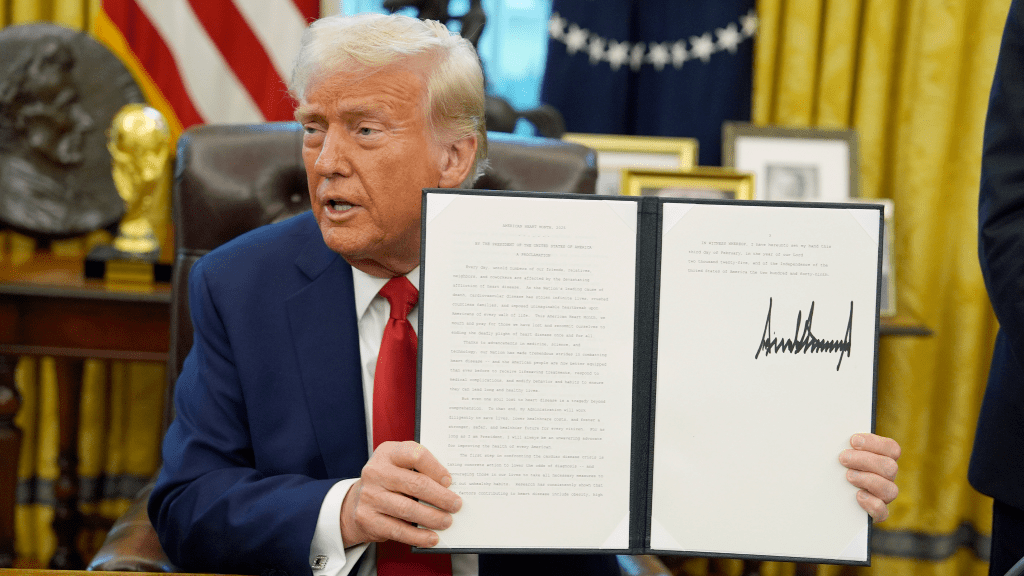
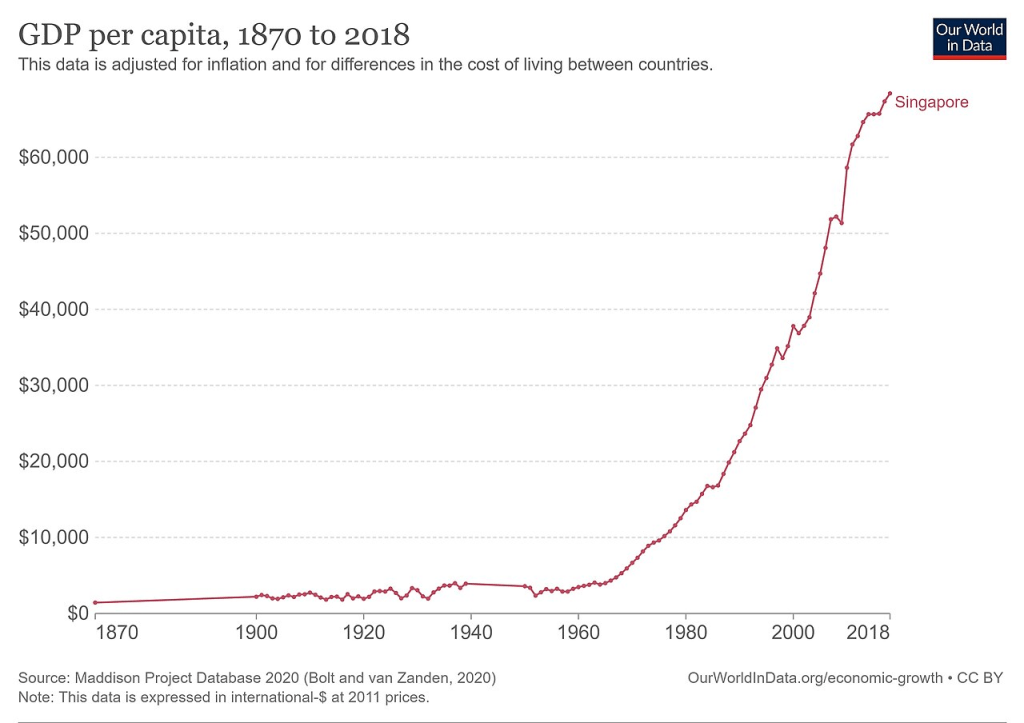

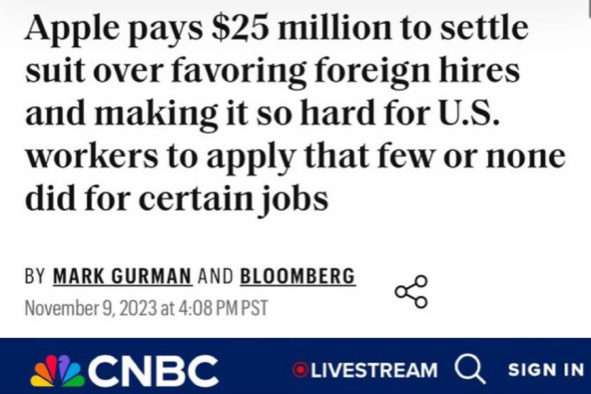
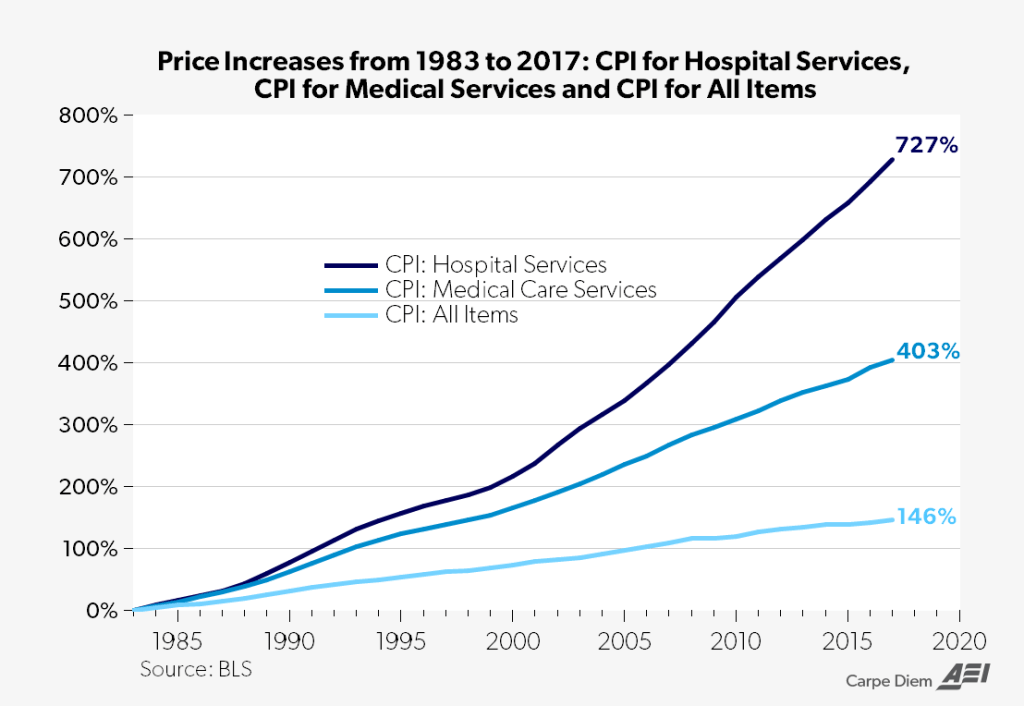


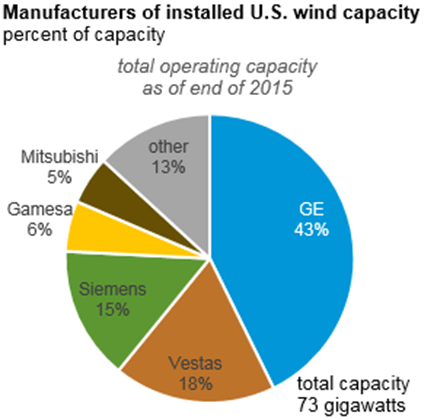
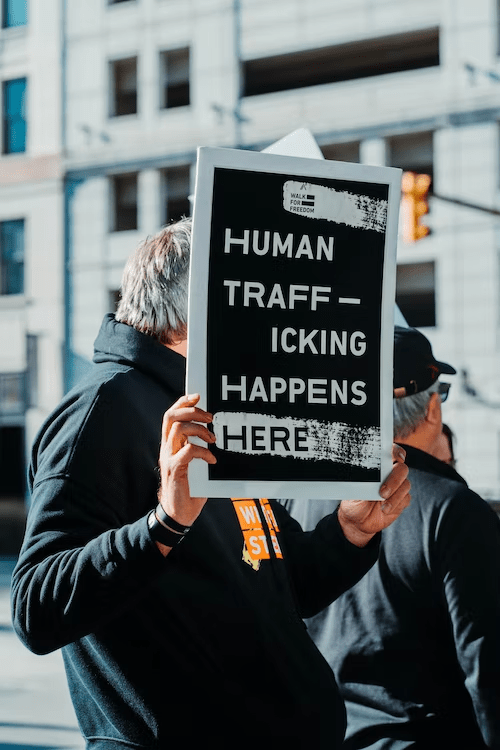


 Sermo Civilis