
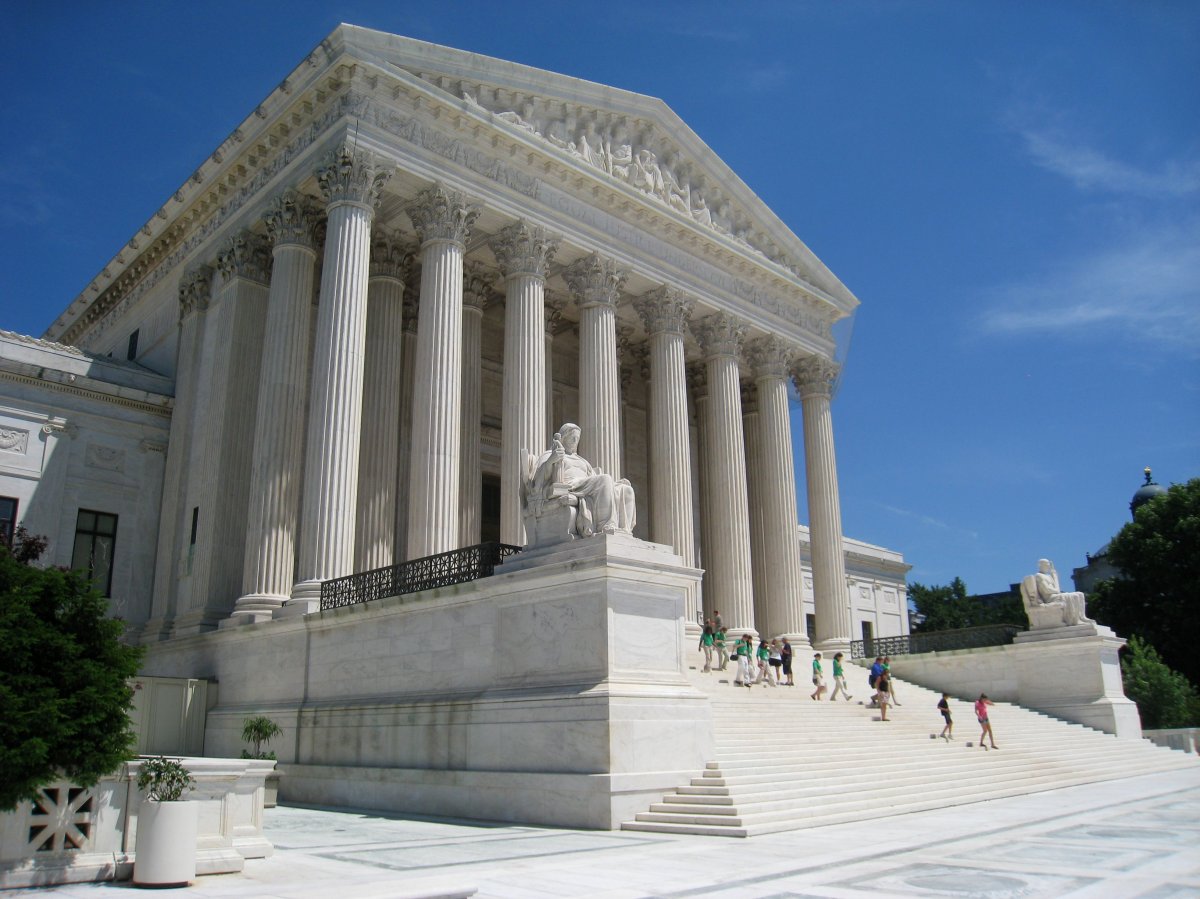
Gerrymandering, a technique that has helped fuel various political machines, is a topic of great debate within the Untied States. Gerrymandering on the surface is undemocratic. Allowing a political party that’s in power to redraw voting lines will naturally lead them to misuse their power. Partly because parties have used the technique to maintain political power by redrawing districts in their favor by diluting voting power. As was the case in 2011 in Wisconsin, where Republicans received a majority of house seats (60%) with only 49% of the state wide vote. How is this possible? Simple; Gerrymandering. It’s this overt case of the corrupt technique that has brought the debate to the Supreme Court. The Court plans to issue it’s ruling on Gill v. Whitford (The Wisconsin case) in June 2018. Whatever side the court rules on, one thing is for sure: it will set a monumental precedent in terms of governing in the USA. (I’ve included a video explaining gerrymandering further down below.)
However, gerrymandering has two sides. Interestingly enough it’s been used to empower disenfranchised voices that have been diluted (usually by gerrymandering). Though the Court didn’t directly state it, racial redistricting was deemed somewhat constitutional. Here’s how they justified it.
The case involved in the debate was called United Jewish Organization of Williamsburg v Carey. In short, Kings County administrators followed the District Attorneys of New York’s plan of redistricting (In conjunction with the Civil Rights Act). Part of the provision called for certain districts to reach a nonwhite majority of 65 percent. Coincidentally, a Hasidic Jewish community was located in one of these districts. The effect of the provision was that the community was split in half, and was reassigned to an adjoining district. The Jewish community would then bring a suit for injunctive and declaratory relief, alleging that the 1974 plan violated their rights under the Fourteenth and Fifteenth Amendments, arguing that the plan diluted their franchise. The case would soon make it’s self up the ladder to the eyes of the Supreme Court.
The Court tip toed on it reasoning of the case. For the sake of simplicity and to save you time on the legal jargon here are the main points of the Courts justification of New York’s redistricting plan:
- The Court mentions that racial discriminatory redistricting is unconstitutional.
- Since the redistricting follows the provisions in the Civil Rights Act it isn’t discriminatory but rather hopes to reverse discrimination.
- So the use of racial criteria in drawing district lines may be required per Civil Rights Act (Specifically Voting Act)
- Additionally, the use of racial criteria is not limited to remedies of explicit prior discrimination.
- The use of numerical racial quotas in establishing certain black majority districts does not automatically violate the Fourteenth and Fifteenth Amendments
- The Court also says the constitution doesn’t recognize the Jewish Communities right to reapportionment as a separate entity.
Clearly the court relied heavily on the Civil Rights Act legislation and rightly so, in terms of the specific justification for enfranchisement of persecuted communities. But also seems to undermine the Jewish community. American history shows that those people haven’t necessarily been treated fairly either. Furthermore, gerrymandering is totally ignored in the Courts argument. Perhaps trying to devout their attention to the pressing societal challenges plaguing the era at the time. Racial tensions were high and The Court justified the means to combat racial injustice. However, in that pursuit the Court may have indirectly set a precedent for justifying gerrymandering.
In all, gerrymandering is a complicated and nuanced subject; making it justified in multiple idiosyncratic realms. But the core of the issue is undemocratic. It gives room for manipulation by people seeking to fulfill their own sinister interests. If those sinister acts are possible then shouldn’t it be abolished? We’ll see what the Supreme Court has to say when confronted with the core issue in June.
LINK
Sources: http://caselaw.findlaw.com/us-supreme-court/430/144.html
 Sermo Civilis